
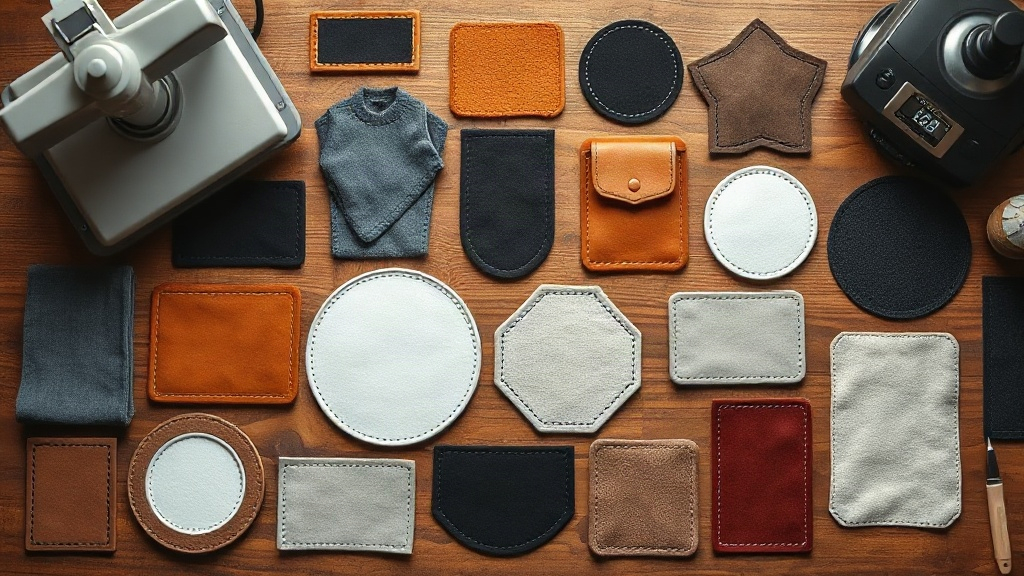
When you think of custom patches, you might picture embroidered designs stitched onto fabric. But there's a new player in town: smart blanks. These innovative patch bases are changing how creators and businesses approach customization. Whether you're a designer looking to prototype quickly or a business owner wanting to offer personalized merchandise, smart blanks provide a versatile foundation that saves time and money without compromising quality.
What Are Smart Blanks?
Smart blanks are pre-made patch bases that come in various materials, shapes, and sizes. Unlike traditional custom patches that require full embroidery from scratch, smart blanks are designed to be easily customized with heat transfer vinyl, screen printing, or direct embroidery. They act as a canvas, ready for your unique design. The "smart" aspect comes from their compatibility with digital design tools and automated production processes, making them ideal for small batches or rapid prototyping.
Materials and Types
Smart blanks are available in several materials, each with its own advantages:
- Fabric blanks: Made from cotton, polyester, or blends, these are soft and flexible, perfect for sew-on or iron-on applications.
- Leather blanks: Durable and premium, often used for fashion patches or branded goods.
- Synthetic blanks: Such as PVC or rubber, offering water resistance and a modern look.
- Adhesive blanks: Pre-coated with heat-activated glue for easy application.
Each type caters to different needs, from everyday wear to outdoor gear.
Why Smart Blanks Are a Game-Changer
The traditional patch-making process can be time-consuming and expensive, especially for small runs. Smart blanks flip the script by offering:
- Cost efficiency: No need for custom embroidery digitizing for every design; you can print or embroider directly onto the blank.
- Speed: Blanks are pre-manufactured, so you skip the base production step.
- Flexibility: Easily switch designs without ordering new bases.
- Consistency: Uniform base size and shape ensure a professional look across all patches.
For businesses, this means faster turnaround times and the ability to offer on-demand customization.
How to Choose the Right Smart Blank
Selecting the right blank depends on your project. Consider these factors:
- Application: Will the patch be sewn onto a jacket, ironed onto a backpack, or attached with Velcro? Choose a blank with the appropriate backing.
- Design complexity: If your design has fine details, a smoother blank (like twill) works best for printing. For textured looks, opt for canvas or felt.
- Durability: For outdoor use, choose weather-resistant materials like PVC or coated fabrics.
- Color: Blanks come in various colors; pick one that complements your design or provides a neutral base.
Designing with Smart Blanks: Tips and Tricks
Getting the most out of smart blanks requires some know-how. Here are practical tips from experienced patch makers:
1. Prepare Your Artwork
Ensure your design is in a vector format for crisp lines, or high-resolution raster for printing. Keep in mind the blank's texture; intricate details may get lost on rough surfaces.
2. Test Your Application Method
Different blanks react differently to heat, pressure, and ink. Always do a test run on a spare blank to dial in settings for your heat press or printer.
3. Consider the Edges
Smart blanks often come with finished edges (merrowed, laser-cut, or sealed). If you're cutting your own, use a sharp blade and consider sealing edges to prevent fraying.
4. Embrace Layering
You can combine techniques: print a base design, then add embroidery on top for a mixed-media effect. Smart blanks handle multiple layers well if you keep thickness in check.
Applications of Smart Blanks
Smart blanks are used across industries:
- Fashion: Streetwear brands use them for limited-edition drops, adding unique graphics to jackets and hats.
- Corporate branding: Companies create uniform patches for employees, quickly updating designs for events.
- Sports teams: Teams personalize patches with player numbers and logos, often on demand.
- Merchandise: Bands and influencers sell custom patches at shows, using smart blanks to produce small batches efficiently.
The versatility makes them a staple in any customizer's toolkit.
Common Mistakes to Avoid
Even with smart blanks, pitfalls exist. Watch out for:
- Overheating: Excessive heat can scorch fabric blanks or melt synthetic ones. Always follow temperature guidelines.
- Poor adhesion: Skipping the pre-press step can lead to designs peeling off. Always preheat the blank to remove moisture.
- Ignoring the backing: If you plan to sew, ensure the blank is suitable for needle penetration; some synthetic blanks are too dense.
- Rushing the cure: For screen-printed or vinyl designs, proper curing is essential for washability.
Future Trends in Smart Blanks
The industry is evolving. We're seeing eco-friendly blanks made from recycled materials, conductive blanks for tech-integrated wearables, and even smart blanks with embedded NFC chips for authentication. As customization demands grow, smart blanks will become more sophisticated, offering even greater creative freedom.
Frequently Asked Questions
What exactly are smart blanks and how do they differ from regular patch blanks?
Smart blanks are essentially pre-made patch bases designed for easy customization. Unlike regular blanks, they are optimized for digital design workflows and often come with features like adhesive backings or compatibility with specific printing methods. They streamline the production process, making custom patches more accessible.
Can I use smart blanks for embroidery, or are they only for printing?
Absolutely, smart blanks can be embroidered. However, the material matters: tightly woven fabrics like twill are ideal for embroidery, while looser weaves may require a stabilizer. Always check the blank's specifications for embroidery suitability.
Where can I buy smart blanks for my project?
Many craft stores and online suppliers offer smart blanks. Look for retailers specializing in patch-making supplies. PatchesVault.com is a great resource for high-quality blanks and custom patch services.
Are smart blanks durable enough for outdoor gear?
Yes, if you choose the right material. PVC, rubber, and coated fabrics are highly durable and weather-resistant. For fabric blanks, consider applying a protective coating or using them on items that won't face harsh conditions.
How do I ensure my design adheres well to smart blanks?
Proper surface preparation is key. Clean the blank, preheat it to remove moisture, and follow the adhesive or ink manufacturer's instructions for temperature, pressure, and time. Testing on a spare blank is always recommended.