
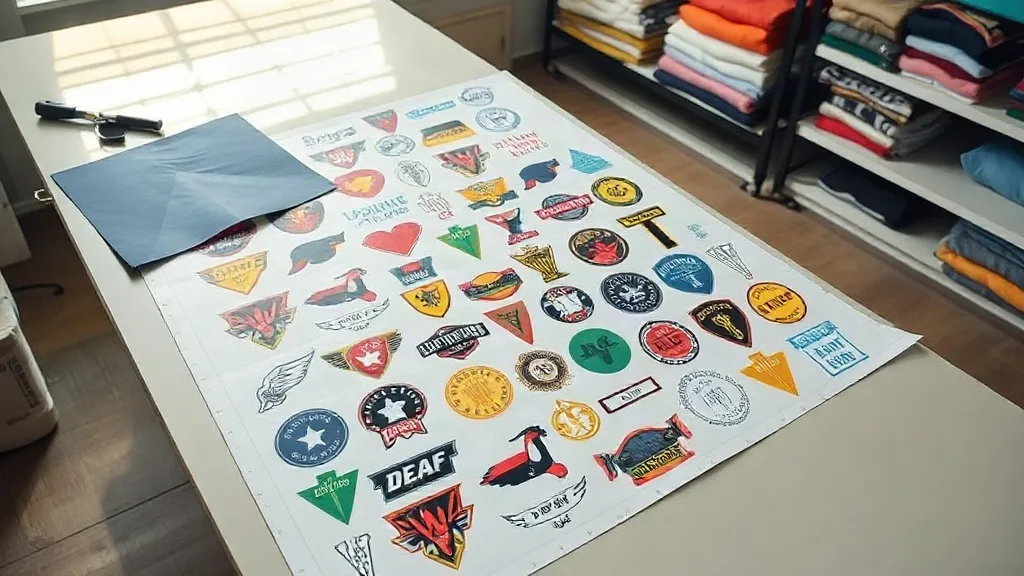
If you run a print shop, you already know that transfer costs can eat into your margins fast. Ordering individual DTF transfers for every design sounds convenient until you see the invoice. That's where the DTF Gangsheet comes in. By grouping multiple designs onto a single sheet, you pay for the film and ink once, not per piece. The result is a lower cost per print, less waste, and a workflow that scales with your order volume. But gangsheet ordering isn't just about cramming as many graphics as possible onto a page. It requires planning, smart nesting, and a clear understanding of how your press and materials behave. This guide walks you through the practical side of gangsheet ordering so you can make better decisions, avoid common pitfalls, and keep your profit margins healthy.
What Exactly Is a DTF Gangsheet?
A DTF gangsheet is a single sheet of transfer film printed with multiple designs arranged together. Instead of sending each artwork as a separate file and paying per print, you combine everything into one layout. The printer then produces one large sheet, and you cut the individual transfers apart after printing or before pressing. The concept is similar to gang printing in offset lithography, where multiple jobs share the same plate. In DTF, the savings come from reduced setup time, less film waste, and more efficient use of ink and adhesive powder.
Most DTF suppliers offer gangsheets in standard widths, typically 13, 22, or 24 inches, with lengths that vary based on your order. You build your layout within those dimensions, and the supplier prints it as a single continuous sheet. The key is to maximize the printable area without overcrowding, which can lead to cutting errors or pressing problems.
Why Gangsheet Ordering Makes Sense for Growing Shops
When you order transfers individually, you're paying for the convenience of someone else handling the layout. That's fine for one-off jobs, but as your order volume grows, those per-piece costs add up. Gangsheets flip the model: you take control of the layout, and in return, you get a lower cost per transfer. For shops that regularly produce team uniforms, event merch, or small-batch apparel, the savings can be substantial.
Beyond cost, gangsheets offer flexibility. You can mix designs for different clients on the same sheet, as long as they share similar ink and material requirements. That means you can fulfill multiple orders in one print run, reducing turnaround time. It also makes it easier to offer small-batch custom apparel without pricing yourself out of the market.
How to Build a Gangsheet Layout That Works
Creating an efficient gangsheet is a bit like playing Tetris. You want to fit as many designs as possible without leaving large gaps, but you also need to leave enough space for cutting and handling. Here are the key principles to follow.
Start with a Clear Nesting Strategy
Nesting is the art of arranging irregular shapes to minimize wasted space. For DTF, most designs are rectangular or have simple outlines, so nesting is relatively straightforward. Group similar sizes together and rotate designs when possible to fill gaps. Avoid placing large designs in a way that creates awkward leftover areas that can't fit anything else.
A common mistake is to line up all designs in a grid, which often leaves unused strips at the edges. Instead, try to create a mosaic pattern where smaller designs fill the spaces between larger ones. Software tools can help, but even a simple template in your design program can do the trick.
Leave Room for Cutting and Weeding
It's tempting to butt designs right up against each other to save space, but that makes cutting difficult and increases the risk of damaging the transfers. Leave a small gap (typically 3–5 mm) between designs. This gap gives you room to cut cleanly and also provides a margin for error if the printer misregisters slightly.
Also, consider the shape of your designs. If you have a design with fine details near the edge, give it a little extra breathing room. The last thing you want is to nick a delicate line while separating the transfers.
Group by Color and Material
While DTF printing uses CMYK and white ink, grouping designs with similar color profiles can help maintain consistency. More importantly, if you're printing on different types of film or using special adhesives, keep those jobs separate. Mixing materials on one sheet can lead to adhesion issues or uneven curing.
For most shops, standard DTF film works for the majority of jobs, so this is less of a concern. But if you offer specialty finishes like glitter or metallic, those should be ordered separately.
Mind the Grain and Orientation
DTF film has a grain direction, and while it's not as pronounced as with vinyl, it can affect how the transfer behaves during pressing. For large designs, orient them consistently to avoid any stretching or distortion. Also, keep in mind that text and logos should be oriented so they read correctly after pressing. It sounds obvious, but it's easy to forget when you're rotating designs to fit.
Common Gangsheet Mistakes and How to Avoid Them
Even experienced shops run into problems with gangsheets. Here are the most frequent issues and how to sidestep them.
- Overcrowding: Trying to squeeze too many designs onto one sheet can lead to cutting errors and wasted material. It's better to use two sheets than to ruin one.
- Ignoring the cut line: Always include a cut line or a clear boundary around each design. Without it, you'll spend extra time measuring and cutting.
- Forgetting about shrinkage: Some fabrics shrink during pressing, which can distort the transfer if the design is placed too close to the edge. Leave a buffer.
- Mismatched color profiles: Mixing RGB and CMYK files can cause color shifts. Convert all artwork to the same color space before building your sheet.
- Not accounting for white ink: DTF prints require a white ink layer, which adds thickness. If designs are too close, the white ink can bleed into the gaps, making cutting messy.
How to Calculate Cost Savings from Gangsheets
To understand the financial benefit, compare the cost per transfer when ordering individually versus on a gangsheet. Suppose a single 10x10 cm transfer costs $1.50. On a gangsheet, the same transfer might cost $0.75 or less, depending on the sheet size and how efficiently you nest. For a shop producing 500 transfers a month, that's a savings of $375, which goes straight to your bottom line.
But don't just look at the per-unit price. Factor in your time. Building a gangsheet takes effort, but once you have a template, it becomes quick. And if you're ordering frequently, the time investment is minimal compared to the savings.
Choosing the Right Supplier for Gangsheets
Not all DTF suppliers handle gangsheets the same way. Some offer online tools to build your layout, while others require you to submit a file. Look for a supplier that provides clear guidelines on file setup, bleed, and cut lines. Also, ask about turnaround time and shipping, since gangsheets are often larger and may require special packaging.
Quality is another factor. A cheap gangsheet is worthless if the transfers crack or fade after a few washes. Request samples and test them under real conditions before committing to a large order. Check for color vibrancy, adhesion, and durability.
Frequently Asked Questions
Can I mix different designs on one gangsheet?
Yes, that's the whole point. You can combine multiple designs as long as they fit within the sheet dimensions and share similar material requirements. Just ensure each design has a clear cut line and enough spacing.
What file format should I use for a gangsheet?
Most suppliers accept PDF, AI, or high-resolution PNG files. Vector formats are preferred because they scale without losing quality. Make sure all text is outlined and colors are in CMYK.
How do I determine the right sheet size for my order?
Calculate the total area of your designs plus spacing, then choose a sheet size that accommodates them with minimal waste. If you're unsure, start with a standard width like 22 inches and adjust the length based on your layout.
Do gangsheets work for small orders?
Absolutely. Even if you only need a handful of transfers, a small gangsheet can be cost-effective compared to ordering individually. Many suppliers offer short lengths, so you don't have to commit to a huge sheet.
How should I store unused gangsheet transfers?
Keep them in a cool, dry place away from direct sunlight. Store them flat or rolled loosely to avoid creases. Use them within a few months for best results, as the adhesive can degrade over time.
Final Thoughts
Gangsheet ordering is one of the simplest ways to reduce costs and improve efficiency in a DTF print shop. It does require some planning, but the payoff is worth it. By following the layout tips and avoiding common mistakes, you can turn a basic cost-saving measure into a strategic advantage. Whether you're printing for local teams, online orders, or your own brand, mastering the gangsheet will help you stay competitive and profitable.