
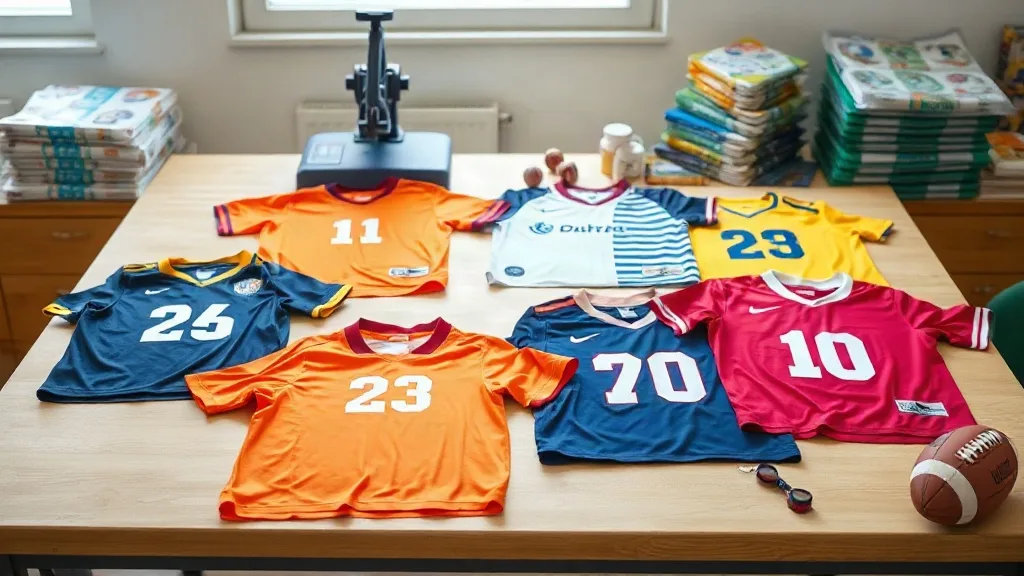
When you're the parent volunteered to sort out kit for a under-11s football squad, the brief is rarely simple. You need numbers on the back, a club badge on the chest, maybe a sponsor logo, and you need it to survive a season of mud, tackles, and the kind of washing machine cycle that would strip paint. dtf transfers have quietly become the go-to solution for youth teams, and for good reason: they handle small runs, detailed logos, and the rough-and-tumble of kids' sport better than most alternatives. This guide walks through what actually matters when you're ordering for a kids' team, from fabric choice to pressing and long-term care.
Why DTF Makes Sense for Youth Squads
Youth team kit is a peculiar beast. You're not ordering 500 units from a factory; you're ordering 14 shirts, maybe 16 if you've got subs, and half the parents will ask for a different size two weeks later. Traditional screen printing charges setup fees per colour, which makes a five-colour club badge on a 14-shirt run eye-wateringly expensive. Vinyl is cheaper but struggles with fine detail and often peels after a dozen washes. DTF sits in a sweet spot: no minimums, no colour limits, and the prints hold up through the kind of abuse only a nine-year-old can deliver.
The process itself is straightforward. Designs are printed onto a film, dusted with adhesive powder, and cured. When you press the film onto a garment, the adhesive melts into the fabric fibres, locking the ink in place. For a parent-organiser, that means you can order a mixed batch of sizes and designs in one go, press them at home with a basic heat press, and have the whole squad kitted out before the first match.
Choosing the Right Blanks for Kids' Kit
The garment you press onto matters as much as the transfer itself. Kids' kit takes a beating, and not all fabrics play nicely with dtf.
Best Fabric Types
- 100% cotton: The most forgiving option. Adhesive bonds well, prints stay soft, and the fabric handles repeated hot washes.
- Cotton-poly blends (60/40 or 50/50): Good durability, slightly faster pressing times, and often cheaper. Just check the poly content doesn't exceed 50% or the ink may not bond as securely.
- Performance polyester: Common in athletic kit. Works well but requires lower pressing temperatures (around 130-140°C) to avoid scorching or dye migration.
Fabrics to Avoid
Heavily textured fabrics, mesh jerseys with large open weaves, and anything with a water-repellent coating will cause adhesion problems. If you're buying new blanks, ask the supplier whether they've been treated with stain-resistant finishes; those finishes can prevent the adhesive from gripping.
Pressing DTF onto Kids' Sizes: What Changes
Small garments are fiddly. A youth small shirt has less flat surface area than an adult medium, and the seams and collar can get in the way of the press. A few adjustments make life easier:
- Use a smaller press platen if you have one. A 38x38cm platen on a youth small means you're pressing seams and hems along with the print area. A 23x30cm platen gives you cleaner contact.
- Pre-press the garment for 5 seconds to remove moisture and wrinkles. Kids' shirts straight out of the packet often have fold lines that will show through the print if you skip this.
- Lower the pressure slightly. Youth garments are thinner, and excessive pressure can cause the adhesive to bleed beyond the design edges. Medium-firm pressure is usually enough.
- Watch the collar and sleeve seams. If a design sits close to a seam, use a pressing pillow or folded towel underneath to raise the seam area and ensure even contact.
Temperature and time vary by film brand, but a safe starting point for cotton is 150-160°C for 12-15 seconds with medium-firm pressure. Always peel cold for a matte finish, or hot for a slightly glossier look. For kids' kit, cold peel tends to give a softer hand-feel that parents prefer.
Durability: What to Expect Through a Season
The question every parent asks: will it survive the wash? A well-pressed dtf transfers print on cotton will typically outlast the garment itself. The weak point is rarely the print; it's the fabric around it wearing thin. In practice, you can expect:
- 30-50 washes before any noticeable fading, provided you follow care instructions.
- No cracking or peeling if the initial press was correct. Cracking usually means insufficient pressure or time during application.
- Colour retention that stays sharp, even on dark garments, because the white ink layer underneath protects the colours.
The caveat: wash inside out, use a cool or warm cycle (not hot), and avoid fabric softener directly on the print. Tumble drying on low is fine; high heat will eventually degrade the adhesive.
Cost-Smart Ordering for Small Squads
Budget is always a consideration for volunteer-run clubs. A few tactics keep costs down without compromising quality:
- Combine designs on one gangsheet. If you're ordering for multiple age groups, group all the logos and numbers onto a single sheet. Most suppliers charge by sheet size, not by design count, so nesting efficiently cuts your per-unit cost significantly.
- Order spares. Someone will lose a shirt or need a replacement mid-season. Adding two or three extra transfers to your order costs very little and saves a second order later.
- Standardise sizes where possible. Bulk pricing often kicks in at 10+ units of the same design. If your club has multiple teams, coordinate orders to hit those thresholds.
If you're searching for dtf transfers near me, check whether local suppliers offer gangsheet options and turnaround times that fit your season schedule. A week before the first match is not the time to discover a two-week lead time.
Common Mistakes with Kids' Kit (and How to Avoid Them)
Even experienced organisers trip up on a few things. The most common issues we see:
- Pressing on a damp garment. Moisture turns to steam under the press, which prevents proper adhesion. Always pre-press.
- Using too much pressure on thin fabrics. The adhesive spreads, creating a visible halo around the design.
- Peeling too early or too late. Follow the film manufacturer's instructions. Cold peel means waiting until the film is completely cool; hot peel means peeling immediately while the film is still hot. Mixing them up ruins the finish.
- Ignoring dye migration on polyester. Dark polyester can bleed into the white ink layer over time. Using a low-bleed film or a poly-friendly adhesive powder helps, but the safest bet is to press at lower temperatures and avoid over-curing.
Frequently Asked Questions
Can I press DTF transfers onto kit that already has a printed logo?
It's possible but risky. The existing print creates an uneven surface, and the new transfer may not bond properly over it. If you need to cover an old logo, use a pressing pillow to build up the area, or consider a patch that can be sewn over the top.
How do I remove a DTF transfer if I make a mistake?
While the print is still warm, you can sometimes peel it off with a fingernail. Once cooled, it's bonded. For a clean removal, place a piece of parchment paper over the print and press with a hot iron, then peel immediately. This can lift the transfer without damaging the fabric, though it's not foolproof.
What's the best way to store unused transfers?
Keep them flat, in a cool, dry place, away from direct sunlight. Stacking them under a heavy book prevents curling. Avoid folding them, as creases can transfer to the print during pressing.
Do I need a commercial heat press for a single team order?
A decent home heat press (around 38x38cm) is sufficient for a squad of 15-20 shirts. Irons and Cricut EasyPress machines work for one-offs but struggle with consistent pressure across larger designs, which increases the risk of peeling later.
How far in advance should I order transfers before the season starts?
Allow at least two weeks: one for production and shipping, one for pressing and any reprints. If you're ordering from an overseas supplier, double that. Local dtf transfers suppliers often offer faster turnaround, which is worth the slight premium when you're up against a deadline.