
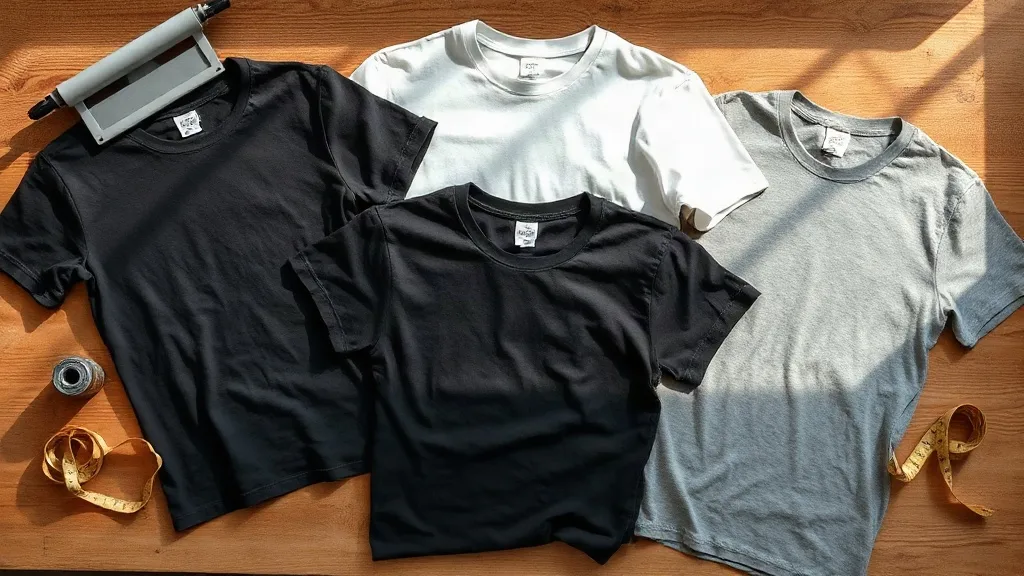
When you're building a clothing brand, the blank tee you choose says as much about your label as the design you print on it. shaka wear has become a go-to for many creators because it offers a heavyweight, durable canvas that holds up to repeated washing and intense printing methods. But customization is where the real work begins. This guide dives into the practical decisions that turn a stack of blank tees into a cohesive, retail-ready product. Whether you're printing your first run or scaling to thousands, understanding the nuances of fabric, ink, and finishing will save you time, money, and frustration.
Why Shaka Wear Is a Favorite Among Brand Builders
Shaka Wear tees are known for their substantial feel. Most styles are made from 100% cotton, often in the 5.5 to 6.5 oz range, giving them a weight that drapes well and feels premium in hand. This weight also makes them ideal for screen printing, as the fabric doesn't stretch or warp easily during the process. Additionally, the tight knit reduces ink bleeding, resulting in crisp, sharp lines even with detailed designs. For embroiderers, the density provides a stable base that minimizes puckering. But perhaps the biggest advantage is consistency: Shaka Wear maintains strict quality control, so your tenth order looks the same as your first. That reliability is crucial when you're building a brand identity around a specific fit and feel.
Choosing the Right Fabric for Your Design
Not all Shaka Wear tees are created equal. The brand offers several fabric blends and weights, each suited to different customization techniques and end uses. Understanding these differences will help you match the blank to your design goals.
100% Cotton: The Classic Choice
Cotton tees are breathable, soft, and take screen printing beautifully. They're the standard for retail apparel because they feel familiar and hold up well over time. However, cotton can shrink slightly after the first wash, so pre-shrinking or accounting for shrinkage is wise. For a vintage, faded look, cotton is also the best candidate for discharge printing, where the dye is removed from the fabric rather than layered on top.
Cotton-Poly Blends: Durability and Color Retention
Blends that mix cotton with polyester are less prone to shrinking and hold color longer. They're a smart choice for activewear or uniforms that will see frequent washing. However, blends can be trickier to screen print because the ink adheres differently to each fiber. Using a poly-based ink or a low-bleed additive can help. For embroidery, blends are generally stable and work well with most stabilizers.
Tri-Blend: Softness and Vintage Appeal
Tri-blend fabrics (cotton, polyester, and rayon) offer an ultra-soft hand and a slightly heathered appearance. They're popular for fashion-forward brands and retail lines that emphasize comfort. Printing on tri-blends requires some finesse: the rayon content can cause ink to spread, so finer mesh screens and higher viscosity inks are recommended. Also, tri-blends tend to have more stretch, so using a stretch additive in the ink or a lower cure temperature can prevent cracking.
Printing Methods and Their Compatibility with Shaka Wear
Shaka Wear tees are versatile, but not every printing method is ideal for every fabric. Here's a breakdown of the most common techniques and how they perform on Shaka Wear blanks.
Screen Printing: The Industry Standard
Screen printing is the go-to for bulk orders because it's cost-effective and produces vibrant, long-lasting results. On Shaka Wear's heavyweight cotton, plastisol inks sit nicely on the surface, offering bright colors and good opacity. Water-based inks, on the other hand, penetrate the fabric for a softer feel, which is great for vintage or distressed looks. For blends, consider using low-bleed plastisol to prevent dye migration. Always do a wash test to ensure adhesion and colorfastness.
Direct-to-Garment (DTG): For Detailed Artwork
DTG printing is perfect for complex, full-color designs with gradients or photographic elements. It works best on 100% cotton, where the ink bonds with the fibers. On Shaka Wear's cotton tees, DTG produces sharp details and a soft hand. However, on blends, the poly content can cause the ink to appear less vibrant or fade faster. Pre-treating the garment is essential for DTG on any fabric, and Shaka Wear's tight weave reduces the need for heavy pretreatment, saving time and money.
Embroidery: Adding Texture and Premium Feel
Embroidery on Shaka Wear tees yields a high-end, textured look that's popular for polos, hats, and left-chest logos. The fabric's weight and stability make it embroidery-friendly, but you'll still need the right backing. A cut-away stabilizer is recommended for dense designs to prevent puckering. For lightweight fabrics, a tear-away stabilizer may suffice. Also, consider the thread type: polyester thread is durable and colorfast, while rayon thread offers a shiny finish but may require more care.
Heat Transfer and Vinyl: Quick Turnarounds
For small batches or personalized items, heat transfer and vinyl are convenient. They work well on Shaka Wear tees, but be mindful of the fabric's weight: heavy cotton requires higher heat and pressure to ensure adhesion. Always use a heat press rather than an iron for consistent results. Also, choose a transfer material that matches the fabric type; for blends, use a transfer designed for synthetics.
Placement and Sizing: Getting the Details Right
Even the best print can look off if it's placed incorrectly. Standard placement for a left-chest logo is about 3.5 to 4 inches from the shoulder seam and 2 to 3 inches from the center placket. For full-front prints, the design should start about 2 to 3 inches below the collar and be centered. Back prints typically start 3 to 4 inches below the collar. These guidelines aren't arbitrary; they're based on how the garment drapes on the body and ensure the design is visible without being awkward. Always print a sample and try it on to confirm placement before running a full batch. And remember: Shaka Wear offers a range of sizes, so check that your design scales appropriately across the size run.
Finishing Touches That Elevate Your Brand
Customization doesn't stop at the print. Adding woven labels, hang tags, and custom packaging can turn a basic tee into a branded experience. Shaka Wear tees often have a tear-away neck label, which is perfect for replacing with your own brand tag. Sew-in labels or heat-transfer labels are both viable options. For a premium feel, consider custom neck tape or a printed inner neck label. Also, think about the fold and poly bag: a neatly folded tee with a branded sticker or hang tag feels more retail-ready. These small details build perceived value and encourage repeat purchases.
Common Pitfalls and How to Avoid Them
Even experienced printers run into issues. One common mistake is using the wrong ink for the fabric, leading to cracking or fading. Always test ink compatibility on a sample. Another pitfall is improper curing: under-cured ink washes out, while over-curing can scorch the fabric. Invest in a temperature gun and follow the ink manufacturer's guidelines. For embroidery, puckering often results from insufficient backing or incorrect hooping tension. And finally, don't ignore shrinkage: pre-wash your samples to see how the garment behaves, and adjust your sizing charts accordingly.
Frequently Asked Questions
Can I use discharge printing on Shaka Wear's colored tees?
Yes, discharge printing works well on 100% cotton Shaka Wear tees, but it's not suitable for blends because the polyester content won't discharge. Always test on a sample first, as some dyes may not discharge completely.
What's the best way to prevent cracking on stretchy tri-blend tees?
Use a stretch additive in your screen printing ink and cure at a lower temperature to keep the ink flexible. Also, avoid over-stretching the garment during printing.
How do I choose the right stabilizer for embroidering Shaka Wear tees?
For heavyweight cotton, a medium-weight cut-away stabilizer works well. For lighter fabrics, a tear-away may suffice. Always test a sample to ensure no puckering.
Is DTG printing cost-effective for small batches on Shaka Wear?
DTG has a higher per-unit cost than screen printing for large runs, but for small batches or one-offs, it's more economical because there are no setup fees. It's ideal for detailed, full-color designs.
Can I mix Shaka Wear tees with smart blanks in the same order?
While you can, keep in mind that different brands may have slight variations in fit, weight, and color. For consistency, it's best to stick with one brand per style, but mixing can work for sampling or testing new products.