
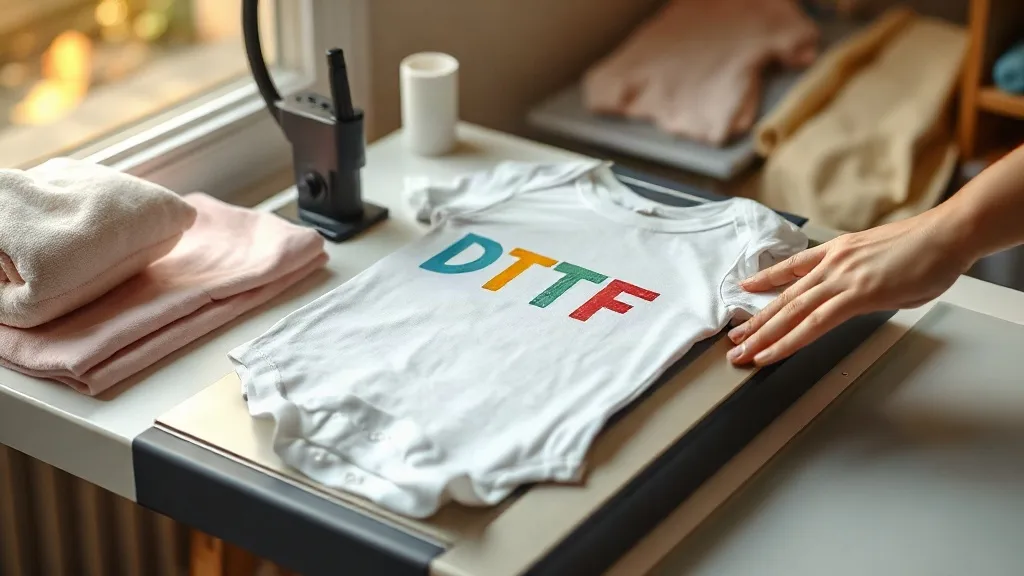
When a customer asks you to print on a baby onesie or a toddler's favorite tee, the stakes feel higher than a standard order. Parents scrutinize everything that touches their child's skin, and they expect the print to survive spit-up, spaghetti sauce, and a hundred trips through the washing machine. If you're a print shop owner or a crafty parent looking for reliable dtf transfers, you need a game plan that prioritizes safety and softness without sacrificing durability. This guide walks you through the nuances of printing on tiny garments, from choosing the right transfer film to pressing without scorching delicate fabrics.
Why DTF Is a Smart Choice for Children's Apparel
DTF, or direct-to-film, has become a go-to method for decorating kids' clothes because it handles small details and vibrant colors without the thick, plasticky feel of traditional heat transfers. Unlike screen printing, which requires a separate screen for each color, dtf lets you produce full-color designs in one pass. That means you can print a whimsical watercolor bunny or a multi-colored dinosaur with fine lines and gradients, all on a single sheet. For a shop that serves parents who want unique, personalized items, this flexibility is a huge advantage.
Another reason DTF shines for children's wear is its ability to adhere to a wide range of fabrics. Cotton, polyester blends, and even some natural fiber blends are fair game. Many baby garments are made from soft cotton or a cotton-poly blend, and DTF transfers bond well to these materials when applied correctly. The key is to adjust your pressing parameters to avoid damaging the fabric or leaving a stiff hand-feel.
Choosing the Right DTF Transfer for Sensitive Skin
Not all DTF transfers are created equal. For baby and kids' clothing, you want a transfer that feels soft and flexible, not rigid or rubbery. Look for transfers printed with high-quality thermoplastic polyurethane (TPU) powder, which tends to be softer and more breathable than some alternative adhesives. A reputable supplier will specify the hand-feel and stretchability of their films. If you're unsure, order a sample and press it onto a scrap of the actual garment fabric to test the feel.
Safety is paramount. While DTF transfers are generally considered safe for apparel, you should confirm that the inks and adhesives used are free from harmful substances. Many suppliers offer OEKO-TEX certified materials, which means they've been tested for harmful chemicals. When a parent asks, “Is this safe for my baby?” you can confidently point to that certification. Avoid cheap, unbranded transfers that lack documentation, as they may contain phthalates or heavy metals.
Soft-Hand Options: What to Look For
Some DTF transfers are engineered specifically for a soft hand-feel. These often use a finer powder and a thinner film. When you press them, they conform to the fabric's texture and almost disappear into the weave. For baby onesies, this is ideal because it prevents the print from feeling like a stiff patch. Ask your supplier about “soft-hand” or “ultra-soft” DTF films. If you're ordering dtf transfers near me, check local reviews or request samples to compare different products.
Preparing the Garment and the Press
Before you press a DTF transfer onto a baby garment, prep is crucial. Start with a clean, dry garment. Any moisture can interfere with adhesion. Pre-press the garment for a few seconds to remove wrinkles and moisture. Use a pressing pillow or a small pad for tiny items like onesies; this provides an even surface and prevents the seams from creating uneven pressure.
Set your heat press to the temperature recommended by your transfer supplier. Typically, DTF transfers are pressed at 300°F to 325°F (150°C to 160°C) for 10 to 15 seconds. However, for delicate fabrics, you might need to lower the temperature slightly and increase the time. Always do a test press on a similar fabric to dial in the settings. Remember that baby clothes often have snaps, tags, or thick seams. Avoid placing the transfer directly over these areas, as they can cause uneven pressure and lead to a poor bond.
Pressing Techniques for Tiny Garments
Small garments can be tricky to press because they don't always lie flat. Use a heat press with a smaller platen if possible, or carefully position the onesie so that the print area is centered. Apply medium pressure, enough to bond the transfer but not so much that it flattens the fabric. After pressing, wait for the transfer to cool completely before peeling the film. Cold peel is standard for DTF, and it ensures the design stays intact.
For areas like sleeves or legs, use a pressing pillow to lift the fabric and avoid pressing seams. If you're working with a manual press, make sure the pressure is consistent across the platen. A quick tip: place a Teflon sheet over the transfer during the press to protect the film and prevent sticking.
Ensuring Durability Through Countless Washes
Parents wash baby clothes frequently, often in hot water with harsh detergents. Your DTF prints need to withstand that. Proper application is the first step: a well-pressed transfer should have smooth edges and no lifting. After pressing, allow the garment to rest for at least 24 hours before washing. This gives the adhesive time to fully cure.
Educate your customers on care instructions. Recommend washing inside out in cold or warm water and tumble drying on low. Avoid fabric softeners and bleach, which can degrade the adhesive over time. If a print does start to peel, a quick re-press with a Teflon sheet can often fix it. Offering a care card with each purchase shows professionalism and reduces complaints.
Testing Wash Durability
Before you offer DTF printing on kids' clothes, run your own wash test. Press a few samples and wash them multiple times, checking for cracking, fading, or peeling. This hands-on experience will tell you more than any spec sheet. Keep notes on which settings and films performed best, and use that data to refine your process.
Design Considerations for Children's Clothing
Kids' designs should be playful, but also practical. Avoid large, solid blocks of ink that can feel heavy. Instead, opt for designs with open areas and fine details that showcase DTF's strengths. Placement matters too: for babies, avoid prints on the back or areas where they might lie on them. Front chest prints are popular and comfortable. For toddlers, sleeves and hems can be fun, but ensure they don't interfere with crawling or playing.
Also, consider the size of the print. A huge graphic on a tiny onesie can look overwhelming and may crack when stretched. Scale your designs appropriately. Use a mockup template for baby sizes to visualize the final look.
Common Pitfalls and How to Avoid Them
Even experienced printers run into issues with small garments. One common mistake is using too much pressure, which can cause the transfer to spread and lose detail. Another is pressing over seams or snaps, leading to incomplete adhesion. Always inspect the garment for obstructions and use a pillow to create a flat surface.
Another pitfall is ignoring the fabric content. Some baby clothes are made from organic cotton or bamboo, which may require lower temperatures. Always check the care label and test. If the fabric is heat-sensitive, consider using a lower temperature and longer dwell time, or explore alternative methods like embroidery for those items.
Frequently Asked Questions
Are DTF transfers safe for baby clothes?
Yes, when sourced from reputable suppliers that use non-toxic, OEKO-TEX certified materials. Avoid cheap transfers with unknown origins, and always confirm safety documentation.
How do I prevent DTF prints from cracking on onesies?
Use a soft-hand transfer, avoid over-stretching the fabric during pressing, and follow proper wash care. Cracking often results from insufficient pressure or incorrect temperature.
Can I use DTF on organic cotton baby clothes?
Absolutely, but organic cotton may require lower pressing temperatures. Test on a swatch and adjust your press settings accordingly to avoid scorching.
What's the best way to press a baby onesie without scorching it?
Use a pressing pillow, lower the temperature slightly, and press in short intervals. Always use a Teflon sheet or parchment paper between the press and the transfer.
How many washes can I expect a DTF print to survive?
With proper application and care, a DTF print can last 50 washes or more. Wash inside out in cold water and avoid harsh chemicals to maximize longevity.