
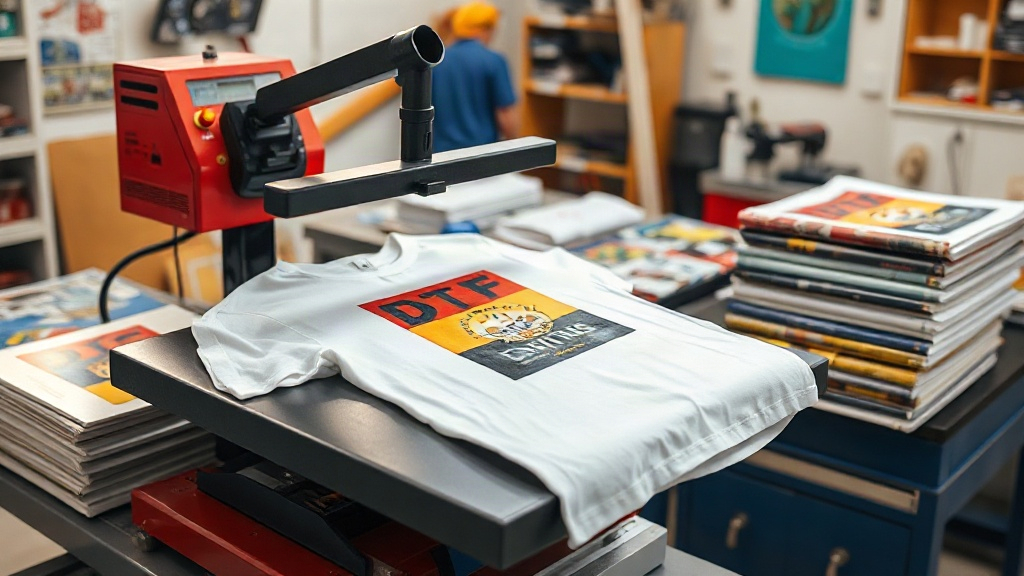
If you've been exploring custom apparel printing, you've likely heard about DTF transfers. This innovative technology is quickly becoming a favorite among crafters, small business owners, and DIY enthusiasts for its versatility and stunning results. Unlike traditional methods that require specific fabrics or complex setups, DTF transfers offer a straightforward way to add vibrant, durable designs to almost any garment. In this guide, we'll dive deep into what DTF transfers are, how they work, and why they might be the perfect solution for your next project.
What Are DTF Transfers?
DTF stands for Direct to Film. It's a printing method where your design is printed onto a special film, coated with a adhesive powder, and then heat-pressed onto your fabric. The result is a soft, flexible, and long-lasting print that can handle intricate details and full-color images. Unlike DTG (Direct to Garment) printing, which prints directly onto the fabric, DTF transfers allow you to print on a wide range of materials, including cotton, polyester, blends, and even non-traditional fabrics like leather and denim.
How DTF Transfers Work: Step by Step
Understanding the process can help you appreciate the magic behind DTF transfers. Here's a breakdown of the steps:
- Design Preparation: Your artwork is prepared digitally, ensuring it's mirrored and sized appropriately. DTF printers use CMYK plus white ink to create vibrant colors and opacity.
- Printing: The design is printed onto a special PET film. The white ink layer is crucial for making colors pop on dark fabrics.
- Powder Application: While the ink is still wet, a thermoplastic powder is applied to the film. This powder will melt and bond the design to the fabric during heat pressing.
- Curing: The film is then heated to melt the powder, creating a smooth, dry surface. This step is often done in a curing oven or with a heat press.
- Transfer: Once cured, the film can be stored or immediately used. You place it on your garment and apply heat and pressure with a heat press. After pressing, you peel off the film (hot or cold peel, depending on the film type), leaving your design behind.
Why Choose DTF Transfers?
There are several compelling reasons why DTF transfers have gained such popularity:
- Versatility: Works on almost any fabric, including cotton, polyester, nylon, and more. This makes it ideal for personalizing t-shirts, hoodies, bags, and even shoes.
- Vibrancy and Detail: DTF transfers produce incredibly vibrant colors and fine details, thanks to the white ink base and high-resolution printing.
- Durability: When applied correctly, DTF transfers are highly durable. They resist cracking, peeling, and fading, even after multiple washes.
- No Weeding or Masking: Unlike vinyl, DTF transfers don't require weeding or masking, saving you time and effort.
- Cost-Effective for Small Runs: For small batches or one-off items, DTF transfers are more economical than screen printing, which requires setup costs per color.
- Soft Feel: The prints are thin and flexible, so they don't feel heavy or plastic-like on the fabric.
DTF Transfers vs. Other Printing Methods
How does DTF stack up against other popular printing techniques? Let's compare:
DTF vs. DTG
DTG printing is great for 100% cotton garments, but it can be limited on blends and dark colors. DTF excels on both light and dark fabrics and works on a wider range of materials. DTF also often produces more vibrant colors and doesn't require pre-treatment.
DTF vs. Vinyl
Heat transfer vinyl (HTV) is a staple for many crafters, but it requires weeding, which is time-consuming for complex designs. DTF allows you to print full-color, intricate designs without any weeding. However, HTV can be more cost-effective for simple one-color designs.
DTF vs. Screen Printing
Screen printing is the go-to for large orders because of its low cost per unit. However, it's not practical for small runs due to setup costs. DTF is perfect for small to medium batches and offers unlimited colors without extra charges.
Getting Started with DTF Transfers
If you're ready to try DTF transfers, here's what you'll need:
- DTF Printer or Pre-Printed Transfers: You can invest in a DTF printer, but if you're just starting, you can order custom DTF transfers from a service. For high-quality transfers, check out patchesvault.com (though we won't link here, you know where to find them).
- Heat Press: A heat press is essential for applying the transfers. You can use a clamshell or swing-away press. Temperature and pressure settings vary by film, so follow the instructions.
- Design Software: Create your designs using graphic software like Photoshop, Illustrator, or even free tools like Canva.
- Garments: Choose your blanks. Cotton, polyester, and blends all work well.
Tips for Perfect DTF Transfers
To ensure your DTF transfers look professional and last long, keep these tips in mind:
- Pre-press Your Garment: This removes moisture and wrinkles, ensuring a smooth surface for the transfer.
- Use the Right Settings: Each film and powder combination may require specific temperature, pressure, and time. Always test first.
- Peel Carefully: Some films are hot peel, others cold. Follow the manufacturer's instructions to avoid ruining the design.
- Wash Inside Out: To extend the life of your print, wash the garment inside out in cold water and avoid harsh detergents.
Common Applications of DTF Transfers
DTF transfers are used in a variety of settings:
- Custom T-shirts and Hoodies: Perfect for personal use, team uniforms, or business branding.
- Promotional Items: Tote bags, hats, and even face masks can be customized.
- Small Business Merch: Ideal for Etsy sellers and small brands who want to offer unique apparel.
- Event Merchandise: Concerts, festivals, and corporate events can benefit from quick turnaround DTF printing.
Frequently Asked Questions About DTF Transfers
How long do DTF transfers last?
With proper application and care, DTF transfers can last as long as the garment itself. They are resistant to cracking and fading, but always follow washing instructions to maximize longevity.
Can I use DTF transfers on dark colors?
Absolutely! DTF transfers are especially effective on dark fabrics because they use a white ink base that makes colors pop. You'll get vibrant results on black, navy, and other dark shades.
Do I need a special printer for DTF?
Yes, DTF printing requires a dedicated DTF printer that uses pigment inks and white ink. However, if you don't want to invest in a printer, you can order pre-printed DTF transfers from various suppliers.
What fabrics work best with DTF transfers?
DTF transfers adhere well to cotton, polyester, blends, and even some synthetic fabrics. They also work on non-traditional materials like leather and canvas, making them extremely versatile.
Is DTF printing cost-effective?
For small to medium runs, DTF is very cost-effective because there are no setup fees or color limitations. For large orders, screen printing might be cheaper, but DTF offers flexibility and quick turnaround.
DTF transfers are a game-changer in the world of custom apparel. Whether you're a hobbyist or a business owner, this technology opens up endless possibilities for creative, durable, and vibrant designs. So why not give it a try? Your next custom creation could be just a heat press away.