
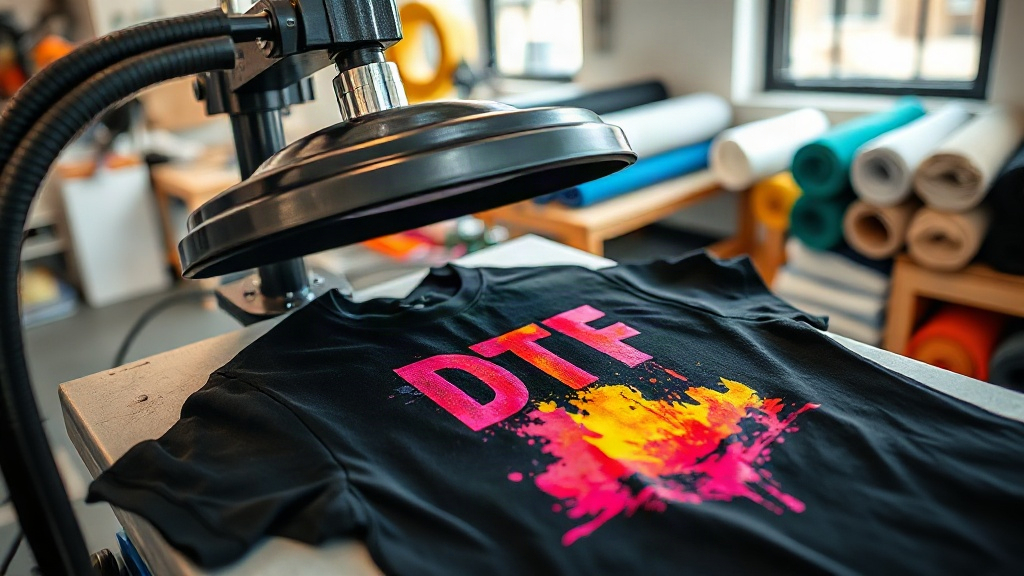
Custom apparel has never been more accessible, thanks to DTF transfers. Whether you're a small business owner, a hobbyist, or someone looking to create personalized gifts, DTF transfers offer a versatile and cost-effective solution. Unlike traditional methods like screen printing or vinyl, DTF transfers allow you to print full-color designs on a wide range of fabrics with incredible detail. In this guide, we'll dive deep into what DTF transfers are, how they work, and why they might be the perfect choice for your next project.
What Are DTF Transfers?
DTF stands for Direct to Film. It's a printing technology where your design is printed onto a special film, coated with a adhesive powder, and then heat-pressed onto the fabric. The result is a vibrant, durable transfer that can be applied to almost any material, including cotton, polyester, blends, and even leather. DTF transfers are gaining popularity because they eliminate the need for color separation, making them ideal for complex, multi-color designs.
How DTF Transfers Work: Step by Step
Understanding the DTF process can help you appreciate its simplicity and effectiveness. Here's a breakdown of the steps involved:
- Design Preparation: Create your artwork using graphic software. Ensure it's high resolution and mirrored if necessary.
- Printing: The design is printed onto a PET film using specialized DTF printers and inks. White ink is often used as a base to make colors pop on dark fabrics.
- Powder Application: A hot-melt adhesive powder is applied to the wet ink. Excess powder is shaken off.
- Curing: The film is heated to melt the powder, creating a dry, ready-to-use transfer.
- Heat Pressing: The transfer is placed on the fabric and pressed with a heat press at specific temperature and pressure.
- Peeling: After pressing, the film is peeled off (hot or cold peel depending on the adhesive), leaving the design bonded to the fabric.
Why Choose DTF Transfers Over Other Methods?
DTF transfers offer several advantages that make them stand out:
- No Color Limitations: Unlike screen printing, which requires a separate screen for each color, DTF can print unlimited colors in one go.
- Works on Various Fabrics: From 100% cotton to polyester and blends, DTF adheres well to many materials.
- Durability: When applied correctly, DTF transfers are stretchable and resistant to cracking and fading.
- Cost-Effective for Small Runs: No setup fees or minimum orders, making it perfect for one-off items or small batches.
- Soft Feel: The transfers are thin and flexible, providing a comfortable wear.
Applications of DTF Transfers
DTF transfers are incredibly versatile. They are used for:
- Custom t-shirts, hoodies, and sweatshirts
- Sports jerseys and team uniforms
- Corporate apparel and promotional items
- Personalized gifts like tote bags and pillows
- Fashion garments with intricate designs
How to Apply DTF Transfers: A Detailed Guide
Applying DTF transfers requires precision. Here's a step-by-step guide to ensure a perfect result:
- Preheat the Fabric: Remove moisture and wrinkles by pre-pressing for a few seconds.
- Position the Transfer: Place the transfer on the fabric with the design facing up.
- Heat Press: Set your heat press to the recommended temperature (usually 300-325°F) and pressure (medium to firm). Press for 10-15 seconds.
- Peel the Film: Wait for the transfer to cool (cold peel) or peel while hot (hot peel) as per instructions.
- Post-Press: For added durability, cover with a Teflon sheet and press again for a few seconds.
Always test on a scrap fabric first to dial in your settings.
Common Mistakes to Avoid with DTF Transfers
Even though DTF is forgiving, certain errors can ruin your project:
- Insufficient Pressure: Leads to poor adhesion and early peeling.
- Wrong Temperature: Too low and the adhesive won't melt; too high and the film may scorch.
- Not Pre-Pressing: Moisture can cause the transfer to lift.
- Peeling Too Early or Late: Follow the specific instructions for your film type.
- Using the Wrong Fabric: While DTF works on many fabrics, some like nylon or treated waterproof materials may require special films.
DTF Transfers vs. Other Printing Methods
How does DTF stack up against alternatives?
- Screen Printing: DTF wins for complex designs and small runs; screen printing is more economical for large quantities of simple designs.
- Vinyl (HTV): DTF allows full-color, detailed designs; vinyl is limited to single colors and layering.
- Dye Sublimation: DTF works on cotton; sublimation requires polyester or specially coated surfaces.
- Direct to Garment (DTG): DTF can be used on more fabric types and doesn't require pre-treatment.
Tips for Long-Lasting DTF Transfers
To ensure your DTF transfers withstand repeated wear and washing:
- Wash inside out in cold water.
- Avoid fabric softeners and bleach.
- Tumble dry low or hang dry.
- Iron inside out, never directly on the design.
- Wait 24 hours after application before washing.
Frequently Asked Questions About DTF Transfers
Can I use DTF transfers on dark fabrics?
Yes, DTF transfers work beautifully on dark fabrics because a white ink base is printed underneath the colors, making them vibrant and opaque.
How long do DTF transfers last?
With proper application and care, DTF transfers can last as long as the garment itself, often enduring 50+ washes without fading or cracking.
Do I need a special printer for DTF transfers?
Yes, DTF printing requires a dedicated DTF printer that uses specialized inks and film. However, you can also purchase pre-printed DTF transfers from suppliers.
Can I stretch DTF transfers?
DTF transfers have some stretchability, but they are not as elastic as the fabric itself. Avoid overstretching the design area.
What fabrics work best with DTF transfers?
Cotton, polyester, and blends are ideal. For nylon or waterproof fabrics, use specialty DTF films designed for low-energy surfaces.
Conclusion
DTF transfers are a game-changer in the world of custom apparel. They offer unmatched versatility, vibrant colors, and durability, making them a top choice for businesses and individuals alike. By following the tips and techniques outlined in this guide, you can achieve professional-looking results that impress. Whether you're just starting or looking to expand your offerings, DTF transfers are a valuable addition to your toolkit.