
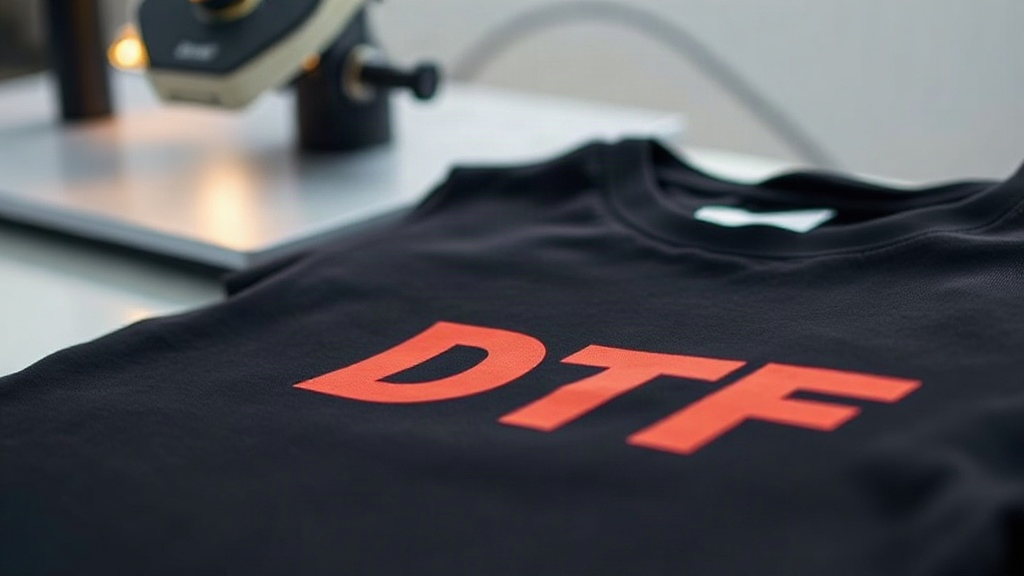
Imagine pressing a custom design onto a cotton t-shirt, a polyester jersey, or even a canvas tote bag, and watching it come out with crisp lines, brilliant colors, and a soft feel that lasts wash after wash. That's the promise of DTF transfers, a technology that has taken the custom apparel world by storm. Whether you're a small business owner, a DIY enthusiast, or a professional printer, understanding DTF transfers can open up a world of possibilities for your creations.
What Are DTF Transfers?
DTF stands for Direct to Film. Unlike traditional screen printing or vinyl cutting, DTF transfers involve printing your design onto a special PET film using a DTF printer. The design is printed with water-based pigment inks, and then a hot-melt adhesive powder is applied to the wet ink. After curing, the transfer is ready to be heat-pressed onto a garment. The adhesive bonds the ink to the fabric, creating a durable, stretchable print.
The magic of DTF transfers lies in their versatility. They can be applied to a wide range of materials, including cotton, polyester, blends, leather, and even nylon. This makes them a favorite for decorating sports jerseys, uniforms, and fashion apparel where different fabrics are common.
Why Choose DTF Transfers Over Other Methods?
If you've tried other decoration methods, you know each has its limits. Screen printing requires separate screens for each color, making short runs expensive. Vinyl cutting is great for simple designs but struggles with complex, multi-color images. DTF transfers solve these problems.
Vibrant Colors and Fine Details
DTF printers use CMYK plus white ink, allowing for full-color designs with gradients, photographs, and fine lines. The white ink acts as a base, making colors pop on both light and dark garments. You can achieve photo-realistic prints that rival more expensive methods.
Exceptional Durability
When applied correctly, DTF transfers withstand repeated washing without cracking, peeling, or fading. The adhesive powder forms a strong bond with the fabric fibers, and the inks are flexible, so the print moves with the garment. This is particularly important for stretchy materials like spandex blends.
No Weeding, No Masking
Unlike vinyl, DTF transfers don't require weeding tiny details or masking. You simply print, powder, cure, and press. This saves hours of labor, especially for intricate designs.
Works on Almost Any Fabric
Cotton, polyester, cotton-poly blends, leather, denim, canvas, and more. DTF transfers adhere well to all of them. This eliminates the need to stock multiple types of transfer materials.
How to Apply DTF Transfers: Step-by-Step
Applying DTF transfers is straightforward, but following the right steps ensures a professional, long-lasting result.
- Preheat the garment: Set your heat press to the recommended temperature (usually 300-325°F / 150-160°C). Prepress the garment for 5-10 seconds to remove moisture and wrinkles.
- Position the transfer: Place the DTF transfer on the garment with the printed side facing up. The adhesive side is already on the film.
- Press: Apply medium to firm pressure for 10-15 seconds. Use a heat press, not an iron, for consistent results.
- Peel: Wait a few seconds for the transfer to cool slightly, then peel the film off in a smooth, steady motion. For a matte finish, you can press again for a few seconds with a cover sheet.
Always test on a scrap piece of fabric first to dial in your press settings.
Common Mistakes to Avoid
Even with a simple process, mistakes can happen. Here are pitfalls to watch for:
- Insufficient pressure: If the transfer doesn't adhere fully, it may peel. Increase pressure and ensure your press is level.
- Wrong temperature: Too hot can scorch the fabric or melt the transfer; too cool can prevent proper bonding. Use a heat gun or infrared thermometer to verify.
- Peeling too soon or too late: Peeling while hot can stretch the design; waiting too long can make the film hard to remove. Follow the manufacturer's recommendation.
- Not pre-pressing: Moisture in the fabric can cause steam and poor adhesion. Always pre-press.
DTF Transfers vs. DTG and Sublimation
Direct-to-garment (DTG) printing is another popular method, but it requires specialized printers and works best on 100% cotton. Sublimation only works on polyester or polymer-coated items and requires white fabric for vibrant colors. DTF transfers, on the other hand, work on virtually any fabric and don't require any special coating. They also have a lower startup cost than DTG, making them accessible to small businesses.
Choosing the Right DTF Transfer Supplier
Not all DTF transfers are created equal. The quality of the film, ink, and powder matters. Look for suppliers that use high-quality PET film that prevents ink from bleeding, and ensure the adhesive powder is fine and evenly applied. At PatchesVault, we pride ourselves on offering premium DTF transfers that deliver consistent results. Our transfers are known for their vibrant colors, soft hand, and durability.
When ordering, consider the size and complexity of your design. Larger transfers require more ink and powder, so pricing may vary. Also, check the shelf life of the transfers; most last up to 6 months if stored properly in a cool, dry place.
Tips for Scaling Your DTF Business
If you're using DTF transfers for a business, efficiency is key. Here are some tips:
- Batch your prints: Print multiple designs at once to save time and ink.
- Use a conveyor dryer: For larger operations, a conveyor dryer automates the curing process and ensures consistent results.
- Keep a log: Record your press settings for different fabrics so you can reproduce perfect results every time.
- Offer samples: Send samples to potential clients to showcase the quality and durability of DTF transfers.
Frequently Asked Questions About DTF Transfers
How long do DTF transfers last?
With proper application and care, DTF transfers can last as long as the garment itself. They withstand 50+ washes without significant fading or cracking. To maximize longevity, wash inside out in cold water and avoid bleach.
Can I use DTF transfers on dark colors?
Absolutely. The white ink layer in DTF transfers allows them to show up brightly on dark fabrics. This is one of the biggest advantages over other methods.
Do I need a special printer for DTF transfers?
Yes, you need a DTF printer that uses pigment inks and can handle PET film. However, you can also buy pre-printed DTF transfers from suppliers like PatchesVault and apply them with a standard heat press.
What is the best temperature for pressing DTF transfers?
Typically, 300-325°F (150-160°C) with medium to firm pressure for 10-15 seconds. Always check the instructions provided by your transfer supplier, as formulations may vary.
Can I stretch DTF transfers?
Yes, DTF transfers are flexible and can stretch with the fabric without cracking, making them ideal for athletic wear and stretchy materials.
DTF transfers are a game-changer for anyone in the custom apparel industry. With their versatility, durability, and vibrant results, they offer a cost-effective solution for both small and large runs. Whether you're printing for fun or for profit, mastering DTF transfers will elevate your creations. Explore our collection at PatchesVault to get started with high-quality DTF transfers today.