
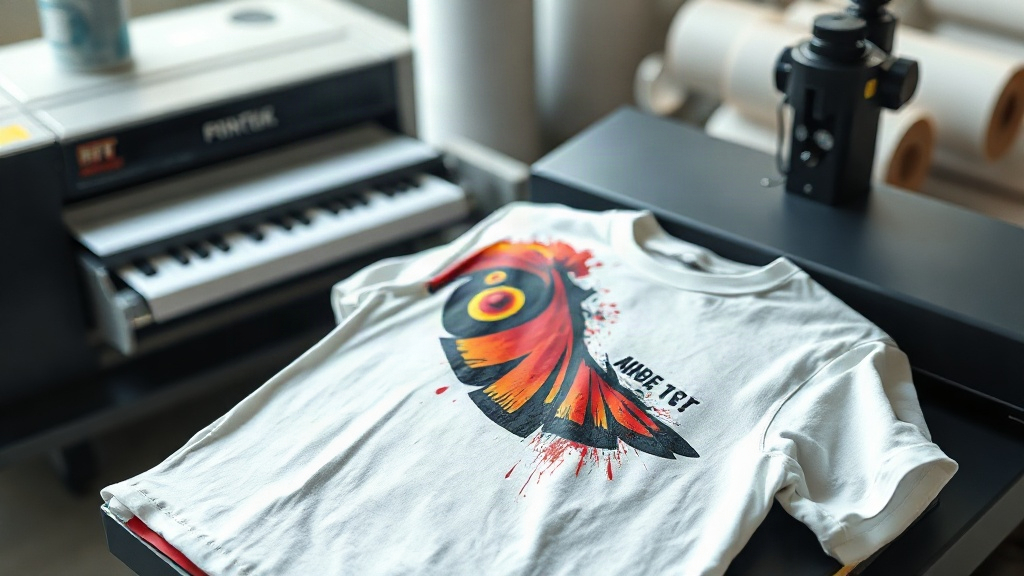
Imagine pressing a button and watching a full-color, intricately detailed design bond seamlessly onto a cotton t-shirt in under a minute. That is the magic of DTF transfers, a technology that has rapidly become a favorite among crafters, small business owners, and professional printers alike. Unlike traditional methods that require multiple steps or specific fabrics, DTF (Direct to Film) printing opens up a world of possibilities for customization. Whether you are creating merchandise for your brand, personalized gifts, or team uniforms, understanding DTF transfers can elevate your projects from ordinary to extraordinary.
What Are DTF Transfers?
At its core, a DTF transfer is a printed design on a special film that is then transferred onto a garment using heat and pressure. The process begins with a digital printer that lays down a layer of white ink, followed by CMYK colors, and finally a powdered hot-melt adhesive. This adhesive allows the design to bond permanently to the fabric when heat-pressed. The result is a soft, stretchable, and incredibly durable print that can be applied to almost any fabric, including cotton, polyester, blends, and even leather.
How DTF Transfers Work: Step by Step
Understanding the workflow helps you appreciate the technology and troubleshoot issues. Here is a typical DTF process:
- Design Preparation: Create your artwork in a graphics program, ensuring it is mirrored and sized appropriately. DTF printers require a CMYK color profile and often a white underbase for opacity.
- Printing: The design is printed onto a PET film using specialized DTF inks. The printer lays down white ink first, then color inks on top.
- Powdering: While the ink is still wet, a hot-melt adhesive powder is applied evenly over the print. Excess powder is shaken off.
- Curing: The film passes through a curing oven or heat press to melt the powder, creating a dry, stable transfer.
- Transferring: The cured film is placed on the garment and pressed with a heat press at around 160°C (320°F) for 10-15 seconds. After cooling, the film is peeled away, leaving the design bonded to the fabric.
Why Choose DTF Transfers Over Other Methods?
DTF transfers offer several compelling advantages that make them stand out:
- No Weeding or Cutting: Unlike vinyl, DTF requires no manual weeding, saving time and reducing waste.
- Full-Color and Gradient Capability: You can print photorealistic images, gradients, and fine details without color limitations.
- Fabric Versatility: Works on cotton, polyester, nylon, leather, and more, without the need for pre-treatment.
- Durability: The prints withstand repeated washing without cracking, peeling, or fading when applied correctly.
- Cost-Effective for Small Runs: No minimum order quantities, making it ideal for one-off items or small batches.
- Soft Hand Feel: The prints are thin and flexible, moving with the fabric.
Applications of DTF Transfers
The versatility of DTF transfers makes them suitable for a wide range of applications:
- Custom T-Shirts and Apparel: Perfect for creating branded merchandise, event shirts, and personalized gifts.
- Sportswear and Uniforms: The stretchability and durability make them ideal for jerseys, leggings, and team wear.
- Home Decor: Apply designs to pillow covers, tote bags, and even canvas shoes.
- Promotional Items: Quickly produce small batches of branded items for giveaways or resale.
Getting Started with DTF Transfers: Practical Tips
If you are new to DTF, these tips will help you achieve professional results:
Choose the Right Equipment
A quality DTF printer and heat press are essential. Look for printers that use pigment-based inks and have a reliable white ink circulation system. For heat presses, ensure even pressure and accurate temperature control.
Master the Powdering and Curing Steps
Insufficient powder or improper curing can lead to prints that peel off. Use a powder shaker for even distribution and cure at the recommended temperature until the powder melts completely (it should look glossy).
Adjust Heat Press Settings
Temperature, pressure, and time vary by fabric. Start with 160°C (320°F), medium pressure, and 15 seconds. Always test on a scrap piece first.
Handle and Store Transfers Properly
Keep unused transfers in a cool, dry place away from direct sunlight. Avoid folding them sharply to prevent cracking.
Common Challenges and Solutions
Even with the best practices, you might encounter issues. Here is how to troubleshoot:
- Print Peeling After Wash: Usually due to under-curing or insufficient pressure. Increase curing time or pressure.
- Dull Colors: Ensure your printer profile is correct and that white ink is properly maintained.
- Adhesive Residue on Film: Too much powder. Shake off excess more thoroughly.
- Film Sticking to Garment: Allow the transfer to cool completely before peeling.
Frequently Asked Questions About DTF Transfers
Can I use DTF transfers on dark fabrics?
Yes, DTF transfers work beautifully on dark fabrics because the white ink underbase provides opacity, making colors pop.
How long do DTF transfers last?
With proper application and care, DTF prints can last as long as the garment itself, often 50+ washes without significant fading or cracking.
Do I need a special printer for DTF?
Yes, you need a DTF printer that uses pigment inks and has a white ink channel. However, you can also buy pre-printed transfers from suppliers.
What fabrics are not suitable for DTF?
DTF adheres well to most fabrics, but highly textured or stretchy fabrics like spandex may require testing. Also, fabrics with a waterproof coating may not bond well.
Is DTF more expensive than vinyl?
For small, multi-color designs, DTF can be more cost-effective than vinyl due to no weeding and unlimited colors. For simple one-color designs, vinyl might be cheaper.
Final Thoughts
DTF transfers have democratized custom apparel printing, offering a low-barrier entry for creative entrepreneurs and hobbyists. With the right knowledge and tools, you can produce stunning, durable prints that rival screen printing. As the technology continues to evolve, we can expect even more innovations. So why not give DTF a try? Your next custom creation could be just a press away.