
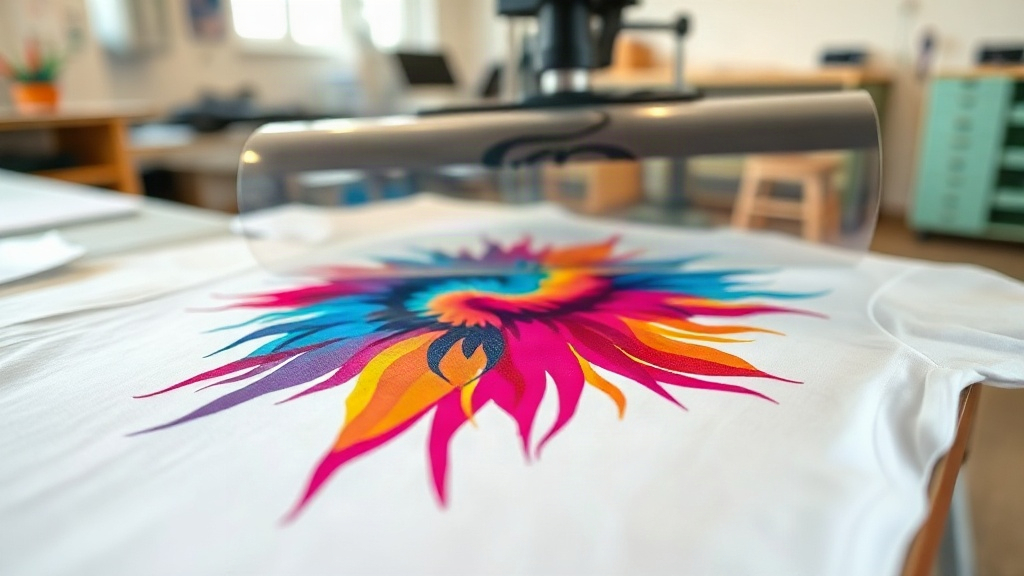
Custom apparel has never been more accessible, thanks to innovative printing technologies that bring designs to life on fabric. Among these, DTF transfers have emerged as a game-changer for both hobbyists and professional decorators. Whether you're creating team jerseys, personalized gifts, or a full clothing line, understanding DTF transfers can elevate your projects from ordinary to extraordinary. In this guide, we'll dive deep into what DTF transfers are, how they work, and why they might be the perfect solution for your next custom apparel endeavor.
What Are DTF Transfers?
DTF stands for Direct to Film. It's a printing method where your design is printed onto a special film, coated with a powdered adhesive, and then heat-pressed onto fabric. Unlike DTG (Direct to Garment) or screen printing, DTF transfers offer unparalleled versatility. They can be applied to a wide range of materials, including cotton, polyester, blends, and even tough-to-print fabrics like nylon and leather. The process involves creating a mirror-image print on PET film using specialized inks, dusting it with hot-melt powder, and curing it. Once cured, the transfer is ready to be pressed onto your garment with a heat press.
The DTF Transfer Process Step by Step
To achieve professional results with DTF transfers, it's crucial to understand each stage of the process. Here's a breakdown:
- Design Preparation: Start with a high-resolution image. Remember to mirror the design horizontally before printing, as the film will be flipped during application.
- Printing: Using a DTF printer, the design is printed onto a PET film with white ink as a base (for opacity) and CMYK inks for color. The printer lays down a layer of white ink first, followed by the color layers.
- Powder Application: While the ink is still wet, a hot-melt adhesive powder is sprinkled over the print. The powder sticks to the wet ink.
- Curing: The film is then heated to melt the powder, creating a smooth, dry adhesive layer. This can be done in a curing oven or with a heat press.
- Transfer: The cured film is placed onto the fabric and pressed with a heat press at specific temperature, pressure, and time settings. The adhesive melts, bonding the ink to the fabric.
- Peeling: After pressing, the film is peeled away (hot or cold peel, depending on the film type), leaving the vibrant design on the garment.
Why Choose DTF Transfers for Your Custom Apparel?
There are several compelling reasons why DTF transfers are gaining popularity:
- Versatility: Works on almost any fabric, including cotton, polyester, blends, and even treated nylon. No need for pre-treatment like with DTG.
- Vibrant Colors: DTF transfers produce bright, opaque colors that pop, even on dark garments, thanks to the white ink base.
- Durability: When applied correctly, DTF prints are highly durable, resisting cracking, fading, and peeling after multiple washes.
- Cost-Effective for Small Runs: Unlike screen printing, which requires setup costs per color, DTF transfers are economical for short runs and one-offs.
- Fine Detail: DTF can reproduce intricate details and gradients with impressive accuracy.
- No Weeding: Unlike heat transfer vinyl (HTV), there's no weeding required, saving time and reducing waste.
DTF vs. Other Printing Methods
How do DTF transfers stack up against other popular decoration methods? Let's compare:
DTF vs. DTG
DTG (Direct to Garment) prints directly onto the fabric, often requiring pre-treatment for best results. It excels on 100% cotton but struggles with synthetics. DTF, on the other hand, adheres to a wide range of fabrics and doesn't need pre-treatment. DTF also tends to have more vibrant colors on dark shirts.
DTF vs. Screen Printing
Screen printing is cost-effective for large orders but has setup costs and is limited in color complexity. DTF shines for small to medium runs, complex designs, and photographic images. It also allows for easy customization without screens.
DTF vs. HTV
HTV (Heat Transfer Vinyl) requires weeding and layering for multi-color designs. DTF eliminates weeding and can print full-color designs in one go. DTF also offers a softer feel and better durability for detailed artwork.
Practical Tips for Perfect DTF Transfers
To ensure your DTF transfers look professional and last, follow these expert tips:
- Choose the Right Film: Not all DTF films are created equal. Select a film compatible with your printer and ink type. Some films are designed for hot peel, others for cold peel.
- Control Moisture: Fabric moisture can ruin a transfer. Pre-press the garment for a few seconds to remove moisture before applying the transfer.
- Adjust Pressure: Adequate pressure is key for proper adhesion. Too little pressure results in poor bonding; too much can cause the design to spread.
- Temperature and Time: Follow the manufacturer's recommendations for temperature and time. Typically, 300-320°F for 10-15 seconds, but always test.
- Peel Technique: Peel the film smoothly and consistently. For hot peel, remove immediately after pressing; for cold peel, wait until it cools completely.
- Wash Care: Wait 24 hours before washing. Turn the garment inside out and wash in cold water. Avoid fabric softeners and bleach. Tumble dry low or hang dry.
Common Applications of DTF Transfers
DTF transfers are used in a variety of settings:
- Custom T-Shirts: Perfect for personalized tees with photos, logos, or intricate designs.
- Sportswear: Team jerseys, uniforms, and activewear benefit from DTF's flexibility and durability.
- Corporate Apparel: Company logos on polos, jackets, and bags.
- Fashion and Boutiques: Small-batch clothing lines with unique prints.
- Promotional Items: Tote bags, hats, and more.
Frequently Asked Questions About DTF Transfers
How long do DTF transfers last?
With proper application and care, DTF transfers can last as long as the garment itself. They resist fading, cracking, and peeling through many washes. Following wash instructions is crucial for longevity.
Can I use DTF transfers on dark colors?
Absolutely! DTF transfers include a white ink base that makes colors pop on dark fabrics. This is one of their biggest advantages over other methods.
Do I need a special printer for DTF transfers?
Yes, you need a DTF printer that uses DTF inks and can handle PET film. However, you can also buy pre-printed DTF transfers from suppliers if you don't want to invest in a printer.
What fabrics work best with DTF transfers?
DTF transfers work on a wide range of fabrics, including cotton, polyester, blends, nylon, and leather. They are particularly good for fabrics that are difficult to print with other methods.
Is DTF transfer cost-effective for small orders?
Yes, DTF transfers are very cost-effective for small to medium orders because there are no setup fees or minimums. You only pay for the transfers you need.
Whether you're a DIY enthusiast or a professional decorator, DTF transfers offer a versatile, durable, and vibrant solution for custom apparel. By mastering the process and following best practices, you can create stunning, long-lasting designs that impress. Explore the possibilities and elevate your custom apparel game with DTF transfers.