
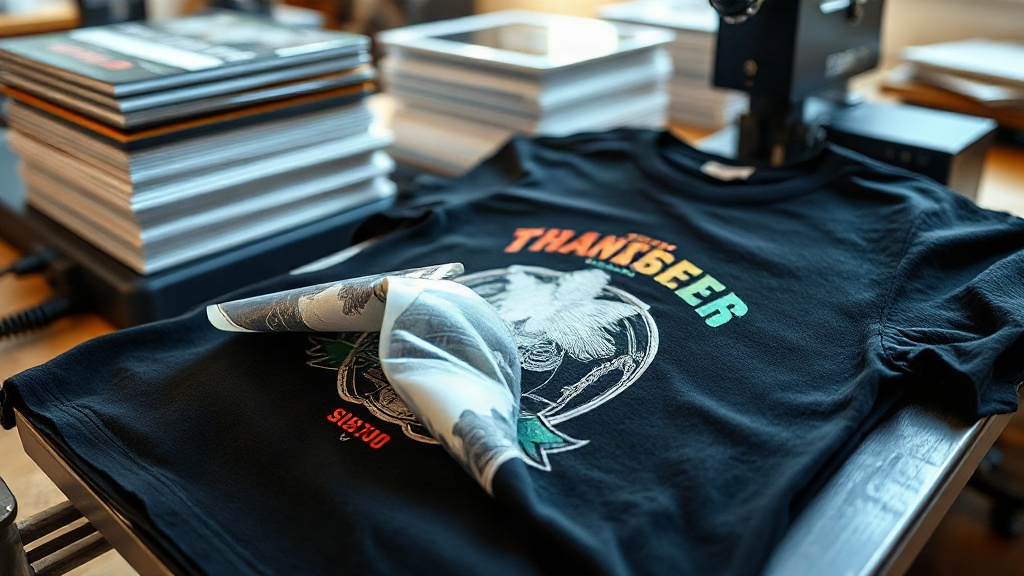
Imagine pressing a vibrant, full-color design onto a dark cotton t-shirt in under a minute, with no weeding, no color limitations, and a soft feel that survives dozens of washes. That is the promise of DTF transfers, a technology that has rapidly become the go-to solution for custom apparel creators, from small Etsy shops to large print-on-demand operations. Unlike traditional vinyl or screen printing, DTF transfers offer a unique combination of flexibility and durability that is hard to beat. In this guide, we will walk through everything you need to know about DTF transfers: how they work, why they are taking over the industry, and how you can use them to elevate your own projects.
What Are DTF Transfers?
DTF stands for Direct-to-Film. It is a printing method where your design is printed onto a special PET film using water-based inks, then coated with a thermoplastic adhesive powder. The film is then cured and can be stored until you are ready to apply it. When you are ready, you simply place the transfer on your garment and press it with a heat press. The adhesive melts, bonding the ink to the fabric. The result is a soft, stretchable, and highly durable print that works on almost any fabric, including cotton, polyester, blends, and even nylon and leather.
How DTF Transfers Differ from Other Printing Methods
To appreciate DTF, it helps to compare it to the more familiar methods. Screen printing requires a separate screen for each color, making it cost-effective only for large runs of simple designs. DTG (direct-to-garment) printing works well on 100% cotton but struggles with synthetics and dark colors. Vinyl cutting is great for simple one-color designs but cannot handle gradients or photographic images. DTF transfers, on the other hand, handle full-color, photographic-quality designs on virtually any fabric without the need for pre-treatment or weeding. They also allow you to print on demand, store the transfers, and apply them when needed, which is a game-changer for inventory management.
The DTF Transfer Process Step by Step
Understanding the process helps you get the best results. Here is a breakdown of the key stages:
- Design Preparation: Your artwork is prepared in a graphics program, ensuring it is mirrored and sized correctly. DTF printers use CMYK plus white ink, so you can print vibrant colors on any background.
- Printing: The design is printed onto a PET film. The printer lays down a white ink layer first (for opacity) followed by the color layers.
- Powdering: While the ink is still wet, a fine thermoplastic powder is applied evenly over the print. The excess powder is shaken off.
- Curing: The film passes through a curing oven or under a heat source to melt the powder, creating a flexible adhesive layer.
- Transfer Application: The cured transfer is placed on the garment and pressed with a heat press at around 300-320°F for 10-15 seconds. After cooling, the film is peeled away, leaving the design bonded to the fabric.
Why Choose DTF Transfers for Your Custom Apparel?
There are several compelling reasons why DTF transfers have become a favorite among apparel decorators:
- Unmatched Versatility: Works on cotton, polyester, blends, and even hard-to-print fabrics like nylon and leather.
- Full-Color Capability: No color limits. Print gradients, photographs, and fine details with ease.
- No Weeding or Pre-Treatment: Save time and labor compared to vinyl or DTG.
- Durability: The prints stretch with the fabric and withstand repeated washing without cracking or fading.
- Cost-Effective for Small Runs: No setup fees or minimums. Print one or one hundred with the same ease.
- Soft Feel: The prints are thin and flexible, giving a premium feel that customers love.
Applications of DTF Transfers
DTF transfers are used across a wide range of industries and personal projects. Here are some popular applications:
- Custom T-Shirts: Perfect for personalized gifts, team uniforms, and fashion apparel.
- Sportswear: The stretchability makes DTF ideal for jerseys, leggings, and performance wear.
- Corporate Branding: Add logos to polo shirts, jackets, and bags with professional results.
- Home Decor: Personalize pillowcases, tote bags, and even canvas shoes.
- Promotional Items: Quick turnaround for events and giveaways.
Tips for Getting the Best Results with DTF Transfers
While DTF is forgiving, following best practices ensures professional-looking, long-lasting prints. Here are some expert tips:
- Choose the Right Film: Use high-quality PET film designed for DTF. Cheaper films can cause ink smearing or poor adhesion.
- Control Moisture: Fabrics should be dry and free of moisture. Pre-press garments for a few seconds to remove wrinkles and moisture.
- Adjust Pressure and Temperature: Follow the transfer supplier's recommendations. Too little pressure or heat can lead to poor adhesion; too much can cause scorching.
- Peel Correctly: Most DTF transfers are cold peel. Wait until the transfer cools completely before peeling the film. This prevents the design from stretching or lifting.
- Store Transfers Properly: Keep unused transfers in a cool, dry place away from direct sunlight. They can last for months if stored correctly.
- Wash Inside Out: To prolong the life of the print, wash garments inside out in cold water and avoid harsh detergents.
Common Mistakes to Avoid
Even experienced users can make mistakes. Watch out for these common pitfalls:
- Not Pre-Pressing: Skipping pre-pressing can trap moisture, causing the transfer to peel.
- Using the Wrong Powder: Always use DTF-specific adhesive powder. Other powders may not bond properly.
- Overcooking the Transfer: Curing too long or at too high a temperature can make the transfer brittle.
- Peeling Too Soon: Hot peeling can distort the design. Wait for it to cool.
- Ignoring Fabric Type: While DTF works on many fabrics, some very stretchy or heat-sensitive materials require lower temperatures or special handling.
Frequently Asked Questions About DTF Transfers
How long do DTF transfers last?
With proper application and care, DTF transfers can last as long as the garment itself. They withstand 50+ washes without significant fading or cracking when washed inside out in cold water and tumble dried low.
Can I apply DTF transfers to dark colors?
Absolutely. DTF transfers include a white ink base that makes colors pop on dark fabrics. This is one of their biggest advantages over DTG printing.
Do I need a special printer for DTF?
Yes, DTF requires a printer that uses DTF inks and can handle PET film. However, you can also buy pre-printed transfers from suppliers if you don't want to invest in a printer.
What fabrics work best with DTF?
DTF works on cotton, polyester, blends, nylon, leather, and more. It is not recommended for fabrics with a heavy waterproof coating or those that cannot withstand heat.
How do I store unused DTF transfers?
Keep them in a cool, dry place, away from direct sunlight and moisture. Stored properly, they remain usable for several months.
Final Thoughts
DTF transfers have opened up new possibilities for custom apparel, combining the best of digital printing with the durability and feel of traditional methods. Whether you are a hobbyist or a professional decorator, understanding the process and following best practices will help you achieve stunning results. If you are ready to explore DTF transfers for your next project, visit patchesvault.com to browse our selection of high-quality transfers and supplies.