
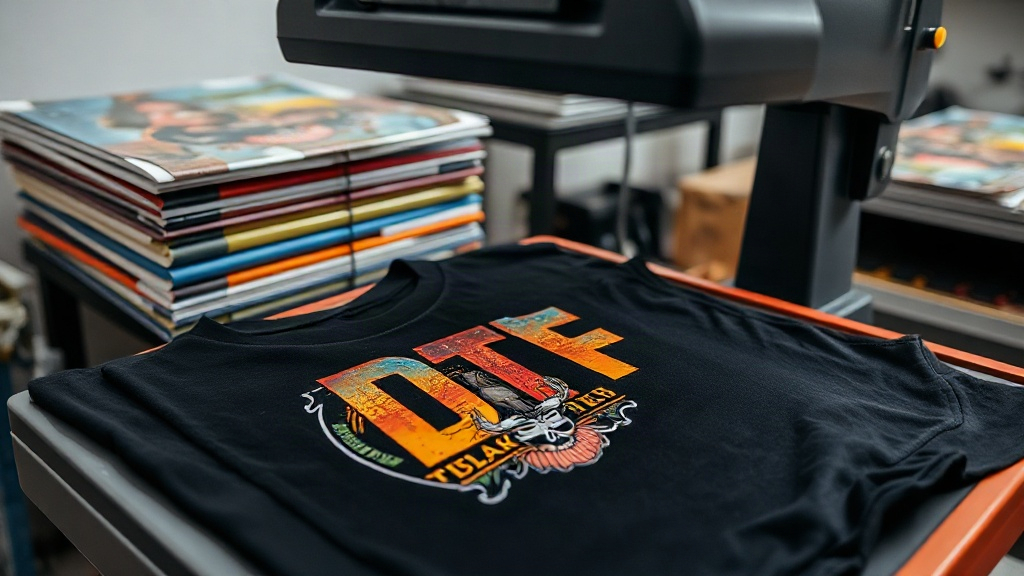
If you've been in the custom apparel game for any length of time, you've probably heard the buzz around DTF transfers. Maybe you're curious about how they compare to vinyl or screen printing, or you're looking for a way to produce vibrant, full-color designs without breaking the bank. You're in the right place. This guide will walk you through everything you need to know about DTF transfers, from the science behind them to practical application tips, so you can decide if they're the right fit for your shop or hobby.
What Are DTF Transfers?
DTF stands for Direct to Film. It's a printing method where your design is printed onto a special film, coated with a thermoplastic adhesive powder, and then cured. The result is a transfer that can be heat-pressed onto various fabrics, including cotton, polyester, and blends. Unlike DTG (Direct to Garment) printing, which requires the garment to be pretreated and printed directly, DTF transfers are printed separately and then applied. This gives you more flexibility because you can print the transfers in advance, store them, and press them onto garments on demand.
The DTF Printing Process
The process starts with a digital printer equipped with DTF inks (usually CMYK plus white). The design is printed onto a PET film. While the ink is still wet, a fine powder adhesive is applied and shaken off, leaving a thin layer on the wet ink. The film then goes through a curing oven or heat press to melt the powder and set the ink. Once cooled, the transfer is ready to be stored or used immediately. When you're ready to apply, you simply place the transfer on the garment, cover it with a heat-resistant sheet, and press. After pressing, you peel the film off (hot or cold peel depending on the film), leaving a vibrant, durable design.
Why DTF Transfers Are Gaining Popularity
There are several reasons why DTF transfers have become a favorite among crafters and commercial printers alike:
- No Weeding or Cutting: Unlike heat transfer vinyl (HTV), DTF transfers don't require weeding. You print, powder, cure, and press. This saves a ton of time, especially for intricate designs.
- Full-Color and Gradients: DTF can reproduce photorealistic images, gradients, and fine details that are difficult or impossible with vinyl. You're not limited to solid colors.
- Works on Many Fabrics: DTF adheres well to cotton, polyester, blends, and even some treated nylons. It's versatile.
- Durability: When applied correctly, DTF prints are stretchy and resistant to cracking, peeling, and fading. They can outlast the garment itself.
- Cost-Effective for Short Runs: Unlike screen printing, which has setup costs per color, DTF is economical for small batches and one-offs.
DTF vs. Other Printing Methods
To understand where DTF fits, let's compare it to other common decoration methods.
DTF vs. DTG
DTG printing requires a pretreatment liquid applied to the garment before printing. The ink is then printed directly onto the fabric. DTG works best on 100% cotton and can produce soft-hand prints. However, DTG can be slow, and the pretreatment adds an extra step. DTF, on the other hand, doesn't require pretreatment, works on more fabrics, and the transfers can be mass-produced and stored. The hand feel of DTF is slightly thicker than DTG but still comfortable.
DTF vs. Vinyl (HTV)
HTV is great for simple, single-color designs, but it requires weeding, which is time-consuming for complex artwork. Layering multiple colors can make the design thick and stiff. DTF eliminates weeding and can print full-color designs in one go, with a softer feel than layered vinyl. Plus, DTF transfers are more durable because there's no adhesive that can peel.
DTF vs. Screen Printing
Screen printing is the gold standard for large orders, offering unbeatable durability and cost per unit. However, it's not practical for small runs due to setup costs and the need for separate screens per color. DTF shines for short runs, samples, and designs with many colors or gradients. It's also a great way to supplement screen printing for those one-off requests.
How to Apply DTF Transfers
Applying DTF transfers is straightforward, but following the right steps ensures a professional, long-lasting result.
What You'll Need
- A heat press (or a home iron, though results may vary)
- Your DTF transfer
- The garment
- Heat-resistant parchment paper or a Teflon sheet
- A lint roller or lint-free cloth
Step-by-Step Application
- Preheat the garment: Set your heat press to the temperature recommended by your transfer supplier (usually 300-340°F / 150-170°C). Prepress the garment for 5-10 seconds to remove moisture and wrinkles. This also helps the transfer adhere evenly.
- Position the transfer: Place the DTF transfer on the garment with the printed side facing up. If you're using a film with a clear backing, the design should be visible. Make sure it's exactly where you want it.
- Cover and press: Cover the transfer with parchment paper or a Teflon sheet to protect your heat press. Apply medium to firm pressure for 10-15 seconds. If you're using a home iron, press firmly and use a circular motion for about 30 seconds, but be aware that the pressure and temperature may not be as consistent.
- Peel the film: Check your transfer's instructions for hot peel or cold peel. Hot peel means you remove the film immediately after pressing while it's still hot. Cold peel means you wait until it cools completely. Peel slowly and at a low angle to avoid pulling up the design.
- Post-press (optional): Some printers recommend a second press for a few seconds with parchment paper to further set the ink and improve wash durability.
Tips for Best Results
- Always test on a scrap garment first to dial in your temperature, pressure, and time.
- Ensure the garment is completely dry and free of lint.
- Use consistent pressure. Too little pressure and the transfer won't adhere; too much and the design may spread or the film may wrinkle.
- Store unused transfers in a cool, dry place away from direct sunlight.
Common Challenges and How to Overcome Them
Even with the best practices, you might run into issues. Here are some common problems and their solutions.
Transfer Not Adhering
If the transfer peels off after washing, it's likely due to insufficient pressure, incorrect temperature, or not enough time. Increase pressure and ensure your heat press is calibrated. Also, make sure the garment is preheated and free of fabric softener or moisture.
Cracking or Fading
Cracking can happen if the transfer is stretched too much or if the ink wasn't fully cured. Ensure your transfers are properly cured before application. When washing, turn the garment inside out and use cold water. Avoid bleach and fabric softeners.
Sticky Residue
Sometimes a sticky residue remains on the garment after peeling. This can be caused by overheating or pressing for too long. Try reducing the temperature slightly or shortening the press time. If residue persists, it may be from the adhesive powder not fully melting; ensure your transfer is properly cured.
DTF Transfers for Your Business or Hobby
Whether you're running a custom apparel business or just making shirts for your team, DTF transfers offer a versatile, cost-effective solution. You can order custom transfers from a supplier or invest in a DTF printer and produce your own. The latter gives you more control and can be more economical for high volumes, but requires an upfront investment and a learning curve.
Choosing a DTF Printer
If you're considering buying a DTF printer, look for one that fits your budget and production needs. Entry-level models are available for a few thousand dollars, while industrial-grade printers can cost tens of thousands. Key factors include print width, print speed, ink cost, and maintenance requirements. Popular brands include Epson (with DTF conversions), Mutoh, and Roland, but there are also dedicated DTF printer manufacturers.
Sourcing DTF Transfers
If printing in-house isn't feasible, many companies offer custom DTF transfer services. You upload your design, choose the size, and they ship the transfers to you. This is a great option for those who want to offer DTF without the equipment investment. When choosing a supplier, consider print quality, turnaround time, and customer service.
Frequently Asked Questions
How long do DTF transfers last?
With proper application and care, DTF transfers can last as long as the garment. They are durable and resistant to cracking and fading. Washing inside out in cold water and avoiding high heat in the dryer will extend their life.
Can I use DTF transfers on dark colors?
Yes, DTF transfers include a white ink layer, so they show up vividly on both light and dark fabrics. The white ink acts as a base, allowing colors to pop.
Do I need a special printer for DTF?
Yes, DTF printing requires a printer that uses DTF inks and a powder shaker and curing oven. You can convert some Epson printers to DTF, or buy a dedicated DTF printer.
What is the best temperature for pressing DTF transfers?
Typically, 300-340°F (150-170°C) is recommended, but always follow the instructions provided by your transfer manufacturer. Pressure should be medium to firm.
Can I stretch DTF transfers?
DTF transfers have some stretchability, but they are not as stretchy as the fabric itself. Avoid overstretching the garment when wearing or washing to prevent cracking.