
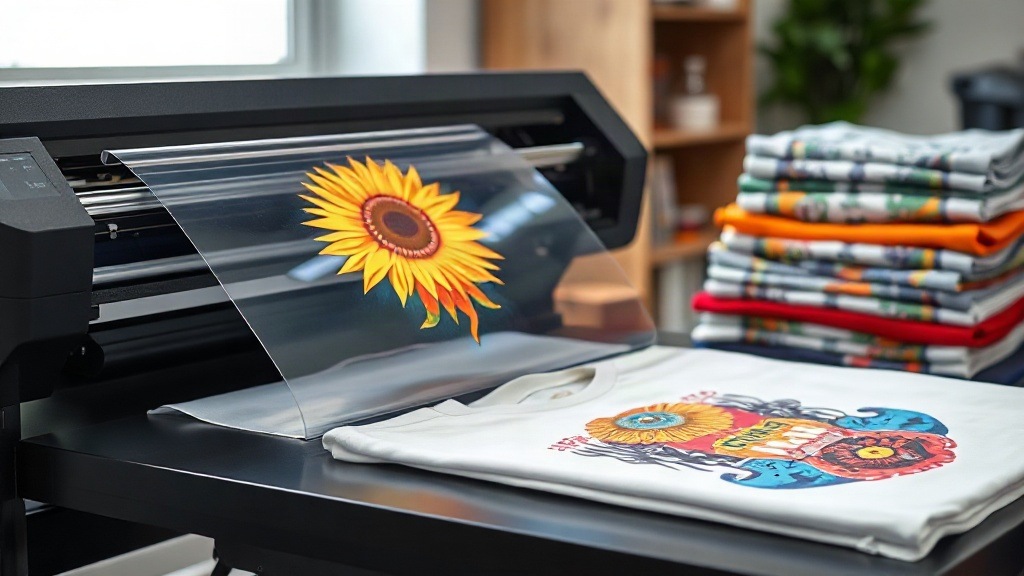
If you're in the print on demand (POD) business, you've likely heard the buzz about DTF printing. It's not just another trend; it's a game-changer that's making high-quality, full-color designs accessible to everyone, from solo entrepreneurs to large-scale operations. But what exactly is DTF, and why should you care? In this guide, we'll dive deep into the world of DTF printing, exploring its ins and outs, and showing you how to leverage it for your POD success.
What is DTF Printing?
DTF stands for Direct to Film. It's a printing method where your design is printed onto a special film, coated with a powder adhesive, and then heat-pressed onto the fabric. Unlike DTG (Direct to Garment) which prints directly onto the shirt, DTF uses a transfer film, allowing it to work on a wider range of materials, including cotton, polyester, blends, and even nylon. This versatility is a major reason why DTF has become a favorite in the POD community.
The DTF Printing Process Step by Step
Understanding the process helps you appreciate the magic. Here's how it works:
- Design Preparation: Your artwork is prepared in a RIP software, which mirrors the image and separates colors if needed.
- Printing: A specialized DTF printer lays down white ink, then CMYK inks onto a PET film. The white ink acts as a base, making colors pop on dark fabrics.
- Powdering: While the ink is still wet, a hot-melt adhesive powder is applied evenly over the design.
- Curing: The film passes through a curing oven or heat press to melt the powder, creating a dry, ready-to-transfer sheet.
- Transfer: The film is placed on the garment and heat-pressed. After cooling, the film is peeled away, leaving a vibrant, durable design.
Why DTF is a Game-Changer for Print on Demand
Print on demand is all about efficiency and customization. DTF excels in both. Here's why it's a game-changer:
- No Minimums: Print one or one hundred; DTF is cost-effective for small batches.
- Material Freedom: Works on cotton, polyester, blends, and more, unlike DTG which struggles with synthetics.
- Vibrant Colors: The white ink base ensures bright, opaque colors on any fabric color.
- Durability: Designs resist cracking, peeling, and fading even after multiple washes.
- Soft Feel: The transfer is thin and flexible, giving a comfortable wear.
- No Pretreatment: Saves time and money compared to DTG, which requires pretreatment for dark shirts.
DTF vs. Other Printing Methods
How does DTF stack up against DTG, screen printing, and sublimation? Let's compare.
- DTG: Great for cotton, but requires pretreatment, limited to cotton-rich fabrics, and colors may be less vibrant on dark shirts.
- Screen Printing: Cost-effective for large orders but has setup costs and is impractical for small batches or complex designs.
- Sublimation: Only works on polyester and requires white fabric; colors are permanent but limited to light backgrounds.
- DTF: Combines the best of all: no minimums, works on many fabrics, vibrant on darks, and durable. It's the most versatile for POD.
Getting Started with DTF Printing
Ready to dive in? Here's what you need to know to start your DTF journey.
Essential Equipment
- DTF Printer: A dedicated printer with white ink channels. Popular brands include Epson conversions and purpose-built models.
- DTF Ink: Pigment-based inks designed for DTF.
- PET Film: Special coated film for DTF transfers.
- Adhesive Powder: Hot-melt powder for bonding.
- Curing Oven or Heat Press: For melting the powder.
- Heat Press: For transferring to garments.
- RIP Software: To manage color and white ink layers.
Step-by-Step: Creating Your First DTF Transfer
- Design: Create your artwork in CMYK. Remember to mirror it if your printer requires.
- Print: Load the PET film and print. Ensure white ink is printed first (or last, depending on printer).
- Powder: Sprinkle adhesive powder over the wet ink. Shake off excess.
- Cure: Place in oven at recommended temperature (usually 160-170°C for 2-3 minutes) or use heat press.
- Press: Set heat press to 160°C, press for 10-15 seconds with medium pressure.
- Peel: Wait for it to cool (cold peel) or peel while hot (hot peel) based on film type.
Tips for DTF Success in Print on Demand
To make your DTF printing business thrive, follow these expert tips.
Choose the Right Film and Powder
Not all films are created equal. Look for films that offer easy peeling and vibrant color reproduction. For powder, finer particles (80-200 microns) work best for detailed designs. Test different brands to find what works for your printer.
Master Color Management
Use ICC profiles to ensure accurate colors. Since DTF uses CMYK plus white, calibrate your printer regularly. Software like RIP helps manage ink limits and color separation.
Optimize Your Heat Press Settings
Temperature, pressure, and time are critical. Too much heat can scorch the film; too little can cause poor adhesion. Always test with a swatch before full production.
Store Transfers Properly
Cured transfers can be stored in a cool, dry place for months. Keep them flat and away from moisture to prevent the powder from sticking.
Market Your DTF Services
Highlight the advantages: no minimums, vibrant colors on any fabric, and durability. Create samples to show off the quality. Use social media to showcase your work and attract customers.
Common Challenges and How to Overcome Them
Even with a great setup, you might face issues. Here's how to troubleshoot.
Ink Clogging
White ink is notorious for clogging. Print daily or use a maintenance station. Clean printheads regularly and store ink properly.
Poor Adhesion
If the design peels, check powder application (too little or too much), curing temperature, and pressure during transfer. Ensure the garment is clean and flat.
Color Fading
Use high-quality inks and proper curing. Washing inside out in cold water and avoiding bleach will extend the life of the print.
Film Wrinkling
Store film flat and avoid humidity. If wrinkled, gently heat with a heat press before printing.
Is DTF Right for Your Print on Demand Business?
If you offer a variety of apparel and want to provide vibrant, durable prints without minimums, DTF is likely a perfect fit. It's especially great for small businesses, etsy sellers, and anyone who wants to experiment with different fabrics. However, if you only print on 100% cotton and do high volumes, DTG might be more cost-effective per unit. But for flexibility, DTF wins.
Frequently Asked Questions
What is DTF printing and how does it work?
DTF printing stands for Direct to Film. It involves printing a design onto a special film, applying adhesive powder, curing it, and then heat-pressing the transfer onto a garment. The film is peeled away, leaving the design bonded to the fabric.
Can DTF printing be used on any fabric?
Yes, DTF works on a wide range of fabrics including cotton, polyester, blends, nylon, and even leather. It's one of the most versatile printing methods available.
Is DTF printing durable and washable?
Absolutely. When properly applied, DTF transfers are highly durable and can withstand multiple washes without cracking, peeling, or fading. Always follow care instructions: wash inside out in cold water, no bleach, and tumble dry low.
What equipment do I need to start DTF printing?
You'll need a DTF printer (with white ink), DTF ink, PET film, adhesive powder, a curing oven or heat press, a heat press for transfer, and RIP software. A dedicated workspace with good ventilation is also recommended.
How does DTF compare to DTG and screen printing?
DTF offers more fabric versatility than DTG and no minimums like screen printing. It produces vibrant colors on dark fabrics without pretreatment, making it ideal for print on demand. DTG is limited to cotton, and screen printing is cost-effective only for large orders.