
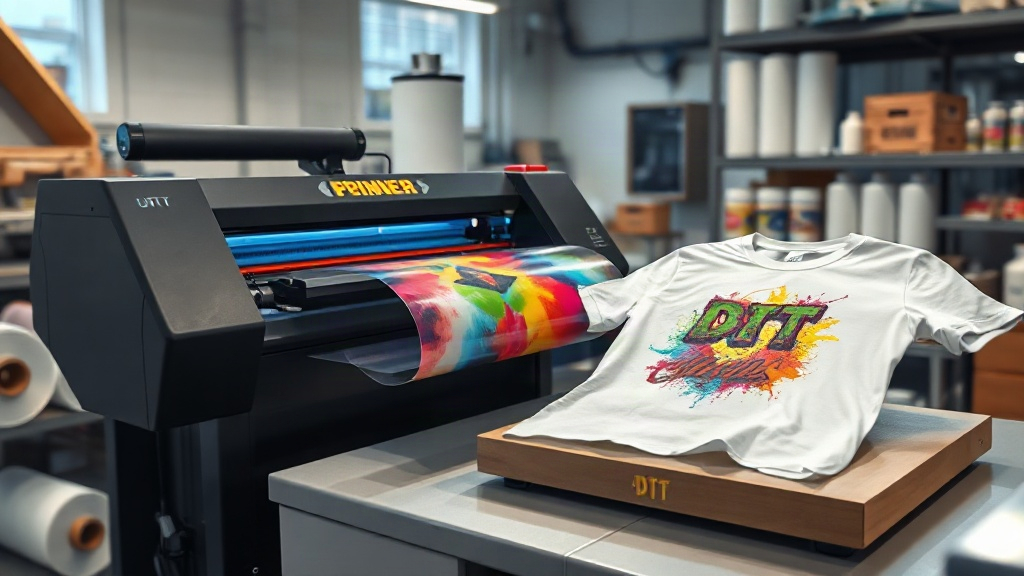
When you run a print-on-demand (POD) business, the quality of your prints can make or break your reputation. Among the many decoration methods available, DTF printing has emerged as a game-changer for custom apparel. Unlike traditional techniques that require specific fabrics or extensive setup, DTF (Direct-to-Film) printing offers unparalleled versatility and vibrant results. In this guide, I'll share my firsthand experience with DTF printing and how it can elevate your POD offerings.
What Exactly Is DTF Printing?
DTF printing stands for Direct-to-Film. The process involves printing a design onto a special film using water-based pigments, then applying a powder adhesive and curing it. Finally, a heat press transfers the design onto the fabric. This method differs from DTG (Direct-to-Garment) because it doesn't print directly onto the garment; instead, it uses a transfer film. The result? Sharp details, vibrant colors, and the ability to print on almost any fabric, including cotton, polyester, blends, and even nylon.
Why DTF Printing Is Ideal for Print on Demand
Print on demand demands flexibility and efficiency. DTF printing excels in both areas. Here's why:
- No weeding or masking: Unlike vinyl or screen printing, DTF doesn't require manual weeding or masking. You print, powder, cure, and press. That's it.
- Unmatched fabric compatibility: Whether you're printing on 100% cotton tees or 50/50 blends, DTF adheres beautifully without the need for pre-treatment.
- Vibrant, durable colors: The pigments used in DTF are incredibly vivid and hold up wash after wash.
- Cost-effective for small batches: Since there's no minimum order, you can produce one-off designs without breaking the bank.
DTF vs. Other Printing Methods
How does DTF stack up against DTG, screen printing, and vinyl? Let's break it down.
DTF vs. DTG
DTG prints directly onto the garment, which works well for 100% cotton but struggles with polyester. DTF, on the other hand, works on virtually any fabric. DTG often requires pre-treatment, while DTF does not. However, DTG can be more cost-effective for large runs on cotton, while DTF shines for small batches and diverse materials.
DTF vs. Screen Printing
Screen printing offers excellent durability and is cost-effective for bulk orders, but it requires separate screens for each color, making it impractical for small runs or complex designs. DTF eliminates setup costs and handles full-color designs with ease.
DTF vs. Vinyl
Heat transfer vinyl (HTV) is great for simple one-color designs but can't handle intricate details or gradients. DTF produces photo-realistic prints with fine lines and smooth gradients.
Setting Up Your DTF Workflow
Integrating DTF into your POD workflow is straightforward. Here's a step-by-step overview:
- Design preparation: Create your artwork in a vector or high-resolution raster format. Mirror the image horizontally before printing.
- Printing: Use a DTF printer with pigment inks to print onto the film. Ensure the film is coated with a release agent.
- Powdering: Apply hot-melt adhesive powder evenly over the wet print. Shake off excess.
- Curing: Place the film in a curing oven or under a heat press for the recommended time and temperature.
- Transfer: Heat press the film onto the garment at 160°C (320°F) for 15-20 seconds. Peel the film off either hot or cold, depending on the film type.
From my experience, the key to consistent results is maintaining a controlled environment. Humidity and temperature can affect powder adhesion and curing.
Choosing the Right DTF Supplies
Not all DTF films and powders are created equal. Here's what to look for:
- Film: Opt for double-sided matte film for better ink absorption and powder adhesion. Single-sided films can work but may require more trial and error.
- Ink: Use high-quality DTF inks specifically formulated for your printer. Cheap inks can clog printheads and produce dull colors.
- Powder: Choose a fine-grain adhesive powder (usually TPU-based) that melts evenly. Coarse powders can leave a rough texture.
- Heat press: A reliable heat press with uniform pressure is crucial. I recommend a press with digital temperature control and a pressure gauge.
Common DTF Challenges and How to Solve Them
Even with the best supplies, you might run into issues. Here are some common problems and their fixes:
Faded or Cracked Prints After Washing
This usually indicates under-curing or insufficient pressure during transfer. Increase curing time or temperature, and ensure your heat press applies even pressure. Also, check that the powder is fully melted.
Ink Smudging or bleeding
Smudging often happens if the film is not properly coated or if too much ink is applied. Reduce ink density in your printer settings and ensure the film is dry before powdering.
Powder Not Sticking
If the powder doesn't adhere, the print might be too dry. Work quickly after printing, or lightly mist the film with water before powdering. Also, ensure the powder is fresh and stored in a dry place.
Maximizing Durability and Quality
To ensure your DTF prints withstand the test of time, follow these best practices:
- Wash inside out: Advise your customers to turn garments inside out before washing to protect the print.
- Use cold water: Hot water can degrade the adhesive and cause cracking.
- Avoid bleach and fabric softeners: These can break down the print over time.
- Tumble dry low or air dry: High heat can cause the print to peel.
In my testing, a properly applied DTF transfer lasts 50+ washes without noticeable fading or cracking.
Scaling Your DTF Print on Demand Business
As your orders grow, you'll need to optimize your workflow. Consider these tips:
- Invest in a conveyor oven: For higher volume, a conveyor oven ensures consistent curing.
- Automate film handling: Use a film feeder or automatic powder shaker to speed up production.
- Batch similar orders: Group garments by color and fabric type to minimize press setup changes.
- Quality control: Inspect each transfer before pressing to catch defects early.
Frequently Asked Questions
Is DTF printing better than DTG for print on demand?
It depends on your needs. DTF is more versatile across fabrics and doesn't require pre-treatment, making it ideal for diverse product lines. DTG can be more cost-effective for large cotton orders. Many POD businesses use both.
Can I use DTF on dark and light garments?
Yes, DTF works on both. For dark garments, you'll need a white ink layer under the colors, which most DTF printers handle automatically. The white base ensures vibrant colors on dark backgrounds.
How long does a DTF transfer last?
With proper application and care, a DTF transfer can last as long as the garment itself. Expect 50+ washes without significant fading or cracking when following care instructions.
What fabrics can I use with DTF?
DTF adheres to cotton, polyester, blends, nylon, canvas, and even leather. It's one of the most versatile printing methods available.
Do I need a special printer for DTF?
You can convert a standard inkjet printer to use DTF inks and films, but dedicated DTF printers offer better reliability and output. For serious POD businesses, investing in a dedicated DTF printer is recommended.
Final Thoughts
DTF printing has revolutionized print on demand by offering unmatched versatility, vibrant results, and a streamlined workflow. Whether you're just starting or looking to expand your product range, incorporating DTF can set your business apart. Remember, quality supplies and consistent processes are key to success. So, why not give DTF a try? Your customers will thank you.