
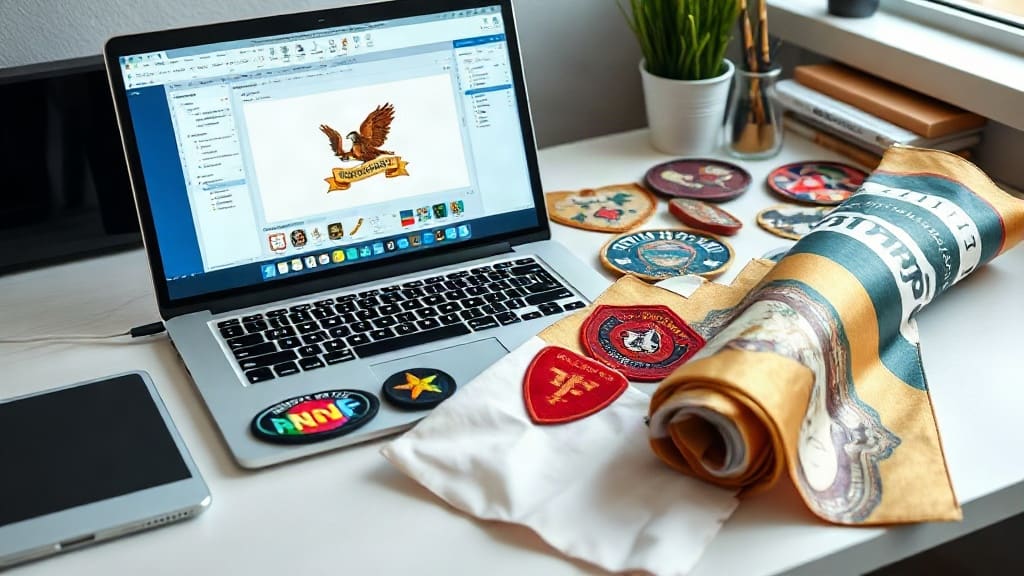
If you're looking to create custom patches without holding inventory or paying upfront for bulk orders, print on demand is your answer. This model has revolutionized how individuals, businesses, and organizations produce custom merchandise. In this guide, I'll walk you through everything you need to know about print on demand patches, from how they work to how you can start your own line, and where custom banners fit into the picture.
As someone who has navigated the world of custom merchandise for years, I understand the appeal of creating unique products without the risk of unsold stock. Print on demand offers flexibility and low startup costs, making it accessible to anyone with a creative idea.
What Are Print on Demand Patches?
Print on demand (POD) patches are custom patches that are manufactured only after an order is placed. Unlike traditional manufacturing, where you need to order hundreds or thousands of pieces upfront, POD allows you to create single items or small batches. This is perfect for testing designs, fulfilling orders for a growing community, or offering personalized products.
With print on demand, you upload your design to a platform, and when a customer places an order, the patch is created and shipped directly to them. You don't need to manage inventory or worry about leftover stock.
Types of Patches Available
There are several types of patches you can create through POD services:
- Embroidered patches: The classic stitched look, popular for apparel, bags, and uniforms.
- Woven patches: Thinner and more detailed, ideal for intricate designs.
- PVC patches: Durable, 3D rubber patches often used for military or outdoor gear.
- Chenille patches: Fuzzy, textured patches commonly seen on varsity jackets.
- Printed patches: Using sublimation or direct printing, these allow for full-color, photo-quality designs.
Each type has its own aesthetic and durability, so choose based on your design and use case.
How to Start with Print on Demand Patches
Starting with print on demand patches is straightforward. Here's a step-by-step guide based on my experience.
1. Choose a POD Platform
Several platforms offer POD patches. Some popular ones include Printful, Printify, and Custom Ink. However, for specialized patches, you might want to use a platform that focuses solely on patches, like PatchesVault. Research each platform's pricing, quality, and shipping times.
When I first started, I used a general POD service, but I found that specialized providers often offer better quality and more customization options for patches.
2. Design Your Patch
Your design is the heart of your patch. Keep these tips in mind:
- Keep it simple: Intricate details may get lost in embroidery.
- Use high-contrast colors to ensure visibility.
- Consider the shape: Standard shapes are easier, but custom shapes are possible with PVC patches.
- If you're not a designer, use tools like Adobe Illustrator or Canva to create your artwork.
3. Set Up Your Online Store
You can sell your patches through your own website or on marketplaces like Etsy. With POD, you don't need to handle shipping, so it's easy to integrate with e-commerce platforms like Shopify using apps.
4. Determine Pricing
POD patches typically cost between $5 and $15 per patch, depending on size, type, and quantity. You need to set your retail price to cover costs and provide a reasonable profit margin. Remember to factor in shipping and platform fees.
Benefits of Print on Demand for Custom Patches
Why choose print on demand for your custom patches? Here are the main advantages I've experienced:
- No inventory risk: You don't have to buy bulk quantities, so you won't be stuck with unsold stock.
- Low startup cost: You can start with just a design and a platform account.
- Easy to test designs: Create a patch and see how it performs before committing to larger runs.
- Scalability: As your sales grow, you can easily fulfill more orders without managing production.
- Customization for customers: Offer personalized patches for events, teams, or gifts.
Designing Custom Patches: Tips from Experience
Creating a successful patch design takes more than just a cool idea. Here are some insights I've gathered:
Understand the Medium
Embroidery has limitations. Fine lines and small text may not stitch well. For detailed designs, consider woven or printed patches. I once designed a patch with tiny lettering, and it was illegible in embroidery. Switching to a woven patch solved the issue.
Color Management
Ensure your colors are vibrant and contrast well. Use a limited color palette to keep costs down, as many POD services charge per color for embroidery.
Consider the Shape and Size
Patches come in various shapes and sizes. A standard size is around 3 inches, but you can go larger or smaller. For custom shapes, PVC patches are more flexible.
Think About the Backing
Patches can have iron-on, sew-on, or Velcro backings. Iron-on is convenient for customers, but sew-on is more durable. Velcro is popular for tactical gear.
Print on Demand vs. Traditional Manufacturing
If you're considering starting a patch business, you might wonder whether to use POD or traditional manufacturing. Here's a quick comparison:
| Aspect | Print on Demand | Traditional Manufacturing |
|---|---|---|
| Initial Investment | Low (often free to start) | High (minimum order quantities) |
| Inventory | None | Must store units |
| Per-unit Cost | Higher | Lower (with bulk discounts) |
| Lead Time | Shorter (order to production) | Longer (production runs) |
| Customization | Easy for individual orders | Requires separate runs |
For a beginner, print on demand is the best way to start. Once you have proven sales, you can switch to bulk manufacturing to increase margins.
How to Market Your Print on Demand Patches
Creating the product is only half the battle. You need to get it in front of potential customers. Here are effective strategies:
Leverage Social Media
Platforms like Instagram, Pinterest, and TikTok are visual and perfect for showcasing patches. Post high-quality photos of your patches on jackets, bags, and hats. Use relevant hashtags like #custompatches and #printondemand.
Build an Email List
Collect emails from interested customers and send updates about new designs and special offers.
Collaborate with Influencers
Send free patches to influencers in your niche. If they love your product, they might feature it to their followers.
Offer Discounts for First Orders
Encourage new customers to try your patches with a small discount.
Custom Banners: A Complementary Product
While patches are a great product, custom banners can complement your offerings, especially if you're targeting events, sports teams, or businesses. Banners are used for advertising, decoration, and branding. By offering both patches and banners, you can provide a one-stop shop for your customers' promotional needs.
For instance, a sports team might order patches for their jerseys and a banner to display at games. A business might want patches for employee uniforms and a banner for their storefront.
How to Create Custom Banners with POD
Many POD platforms also offer banner printing. You can design banners similarly to patches, but with different specifications. Consider the material (vinyl, fabric), size, and mounting options (grommets, poles).
When I added custom banners to my offerings, it opened up new revenue streams. My existing patch customers often returned for banners, and vice versa.
Potential Challenges and How to Overcome Them
No business is without challenges. Here are some hurdles you might face with print on demand patches and how to tackle them:
Quality Control
Since you're not manufacturing the patches yourself, you rely on your POD provider. To ensure quality, order samples before selling to customers. If you encounter issues, switch providers.
Shipping Delays
POD patches are made on demand, which can add to shipping time. Be transparent with customers about production times. Choose providers with faster turnaround if needed.
Profit Margins
POD has higher per-unit costs. To maintain healthy margins, focus on unique designs that customers can't find elsewhere, and consider upselling related products.
Competition
The market for patches is competitive. Differentiate yourself by offering niche designs or superior customer service.
Success Stories: Real Examples
Let me share a couple of examples to illustrate the potential of print on demand patches.
Case Study 1: Etsy Seller
A friend of mine started an Etsy shop selling custom patches for outdoor enthusiasts. She used a POD service to avoid inventory. Within six months, she was earning a steady side income of $1,000 per month. Her key was creating unique, high-quality designs and excellent customer reviews.
Case Study 2: Nonprofit Organization
A local charity needed patches for their fundraising event. They used a POD service to order a small batch, avoiding waste. The patches were a hit, and they ordered more for future events. This flexibility saved them money and storage space.
Future Trends in Print on Demand Patches
The POD industry is evolving. Here are trends to watch:
- Sustainable materials: Eco-friendly patches made from recycled threads and fabrics are gaining popularity.
- Smart patches: Some companies are experimenting with NFC chips embedded in patches that can link to digital content.
- Personalization: More customers are seeking fully personalized patches with names, dates, or custom messages.
- Integration with e-commerce: POD services are becoming more integrated with platforms, making it easier to automate orders.
Frequently Asked Questions
How long does it take to receive print on demand patches?
Production typically takes 2-5 business days, plus shipping time. Some providers offer expedited options. Always check the estimated delivery time before placing an order.
Can I get a single custom patch made?
Yes, most POD services allow you to order a single patch. This is ideal for personal use or testing a design.
What is the minimum order quantity for custom patches?
With print on demand, there is usually no minimum order quantity. You can order as few as one patch.
How much does it cost to print on demand patches?
The cost varies based on size, type, and quantity. On average, a 3-inch embroidered patch costs around $5-8 when ordered individually. Prices decrease slightly with bulk orders, but POD is generally more expensive per unit than traditional manufacturing.
Can I use my own design for custom patches?
Absolutely. You need to provide a high-resolution image or vector file of your design. Most platforms have design guidelines to ensure quality.
Ready to Start Your Patch Journey?
Print on demand has opened up incredible opportunities for creators, entrepreneurs, and organizations. Whether you're looking to start a patch business, create custom patches for your team, or add custom banners to your promotional arsenal, POD offers a low-risk, flexible solution. Begin with a strong design, choose a reliable provider, and focus on marketing your unique creations. With dedication and creativity, you can turn this into a profitable venture.