
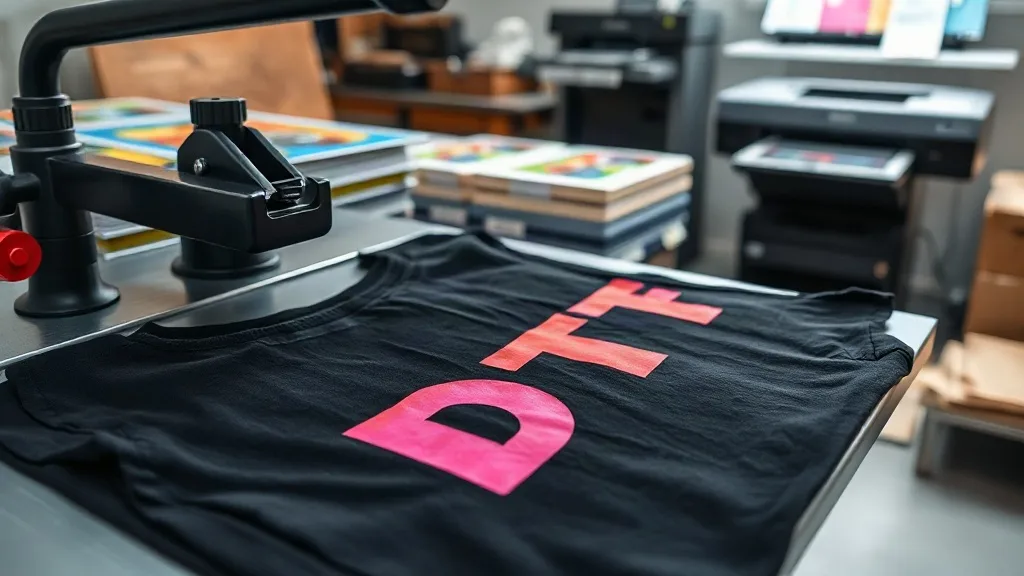
Custom apparel has become a powerful way for individuals and businesses to express their identity, promote their brand, or simply wear something unique. Among the many decoration methods available, dtf transfers have emerged as a game-changer for both professionals and hobbyists. Unlike traditional screen printing or vinyl cutting, DTF (Direct to Film) printing offers unmatched versatility, allowing you to print full-color designs on almost any fabric with remarkable detail. In this guide, we'll explore what DTF transfers are, how they work, and why they might be the perfect solution for your next custom apparel project.
What Are DTF Transfers?
DTF transfers are a type of heat-applied decoration where your design is printed onto a special film using a dtf printer. The process involves printing a mirror image of your artwork onto a PET film with a specialized DTF ink, followed by a layer of adhesive powder. Once the powder is cured, the transfer is ready to be heat-pressed onto a garment. The result is a soft, stretchable, and durable print that bonds permanently to the fabric.
What sets DTF apart from other methods is its ability to produce vibrant, photo-quality images without the need for color separations or screens. Whether you're working with cotton, polyester, blends, or even nylon, DTF transfers adhere beautifully, making them ideal for a wide range of apparel items, from t-shirts and hoodies to tote bags and caps.
Why Choose DTF Transfers?
There are several compelling reasons why DTF transfers have gained popularity in the custom apparel industry. Let's break down the key benefits.
Unmatched Versatility
One of the biggest advantages of DTF transfers is their compatibility with a vast array of fabrics. Unlike heat transfer vinyl (HTV), which often struggles with stretchy or moisture-wicking materials, DTF transfers bond well to cotton, polyester, blends, and even treated nylon. This makes them perfect for team jerseys, performance wear, and fashion apparel. Additionally, DTF transfers can be applied to dark and light colors alike without the need for a white underbase, simplifying the process.
Vibrant, Detailed Prints
Because DTF printing uses CMYK inks plus white, it can reproduce intricate details, gradients, and photographic images with stunning accuracy. The colors are incredibly vibrant and hold up well over time. Whether you're printing a complex logo or a full-color illustration, DTF transfers capture every nuance.
Durability and Washability
When applied correctly, DTF transfers are highly durable. They resist cracking, peeling, and fading even after multiple washes. The bond between the transfer and the fabric is strong, and the print remains soft and flexible. This makes DTF transfers suitable for items that will see frequent use and washing, such as workwear or children's clothing.
Cost-Effective for Short Runs
For small businesses or individuals who need short runs, DTF transfers are more cost-effective than screen printing, which requires setup costs for each color. With DTF, you can print one-off designs or small batches without breaking the bank. There's no minimum order quantity, and you can easily personalize items on demand.
How to Apply DTF Transfers
Applying DTF transfers is straightforward, but following the correct steps ensures a professional and long-lasting result. Here's a step-by-step guide:
- Preheat the garment: Set your heat press to the recommended temperature (usually around 300°F to 325°F). Preheat the garment for a few seconds to remove moisture and wrinkles.
- Position the transfer: Place the DTF transfer on the garment with the printed side facing up (the adhesive side down). Ensure it's positioned correctly.
- Press: Apply medium to firm pressure for 10-15 seconds. Use a Teflon sheet or parchment paper to protect the transfer and your press.
- Peel: Wait a few seconds for the transfer to cool slightly, then peel the film off in a smooth, steady motion. For a matte finish, you can do a second press for a few seconds after peeling.
Always follow the specific instructions provided by your transfer supplier, as temperatures and times can vary.
Design Tips for DTF Transfers
To get the most out of your DTF transfers, consider these design best practices:
- Use high-resolution images: DTF printing captures fine details, so start with a high-quality file (300 DPI or higher) to avoid pixelation.
- Avoid very thin lines: While DTF can handle fine details, extremely thin lines may not adhere well. Aim for lines at least 1 point thick.
- Consider the fabric color: DTF prints are opaque, but the base white layer ensures colors pop on any background. However, on very dark fabrics, colors may appear slightly muted, so test if possible.
- Add a white underbase for dark garments: Most DTF transfers already include a white layer, but if you're printing on dark colors, ensure your design has enough white to maintain vibrancy.
Finding DTF Transfers Near You
If you're looking to incorporate DTF transfers into your projects, you might be wondering where to source them. Many online suppliers offer custom DTF transfer services, but if you prefer a local option, searching for dtf transfers near me can connect you with nearby print shops that provide quick turnaround and personalized service. Local suppliers can be especially helpful if you need to see samples or discuss your design requirements in person.
Common Mistakes to Avoid
Even with a straightforward process, some pitfalls can affect the quality of your DTF transfers. Here are a few to watch out for:
- Insufficient pressure: Too little pressure can prevent the transfer from adhering properly, leading to peeling. Always use medium to firm pressure.
- Pressing on a damp garment: Moisture can interfere with adhesion. Always preheat the garment to remove any moisture.
- Peeling too soon or too late: Follow the recommended cooling time. Peeling while too hot can stretch the design; peeling too late can make it difficult to remove the film.
- Using the wrong heat press settings: Each DTF transfer may have specific temperature and time requirements. Always check the supplier's instructions.
Frequently Asked Questions
Can DTF transfers be applied to 100% polyester?
Yes, DTF transfers work excellently on polyester, including moisture-wicking and stretchy fabrics. The key is to use a lower temperature (around 280°F to 300°F) to prevent the polyester from scorching or the transfer from over-melting.
How long do DTF transfers last?
With proper application and care, DTF transfers can last as long as the garment itself. They are highly durable and resist fading, cracking, and peeling. Washing the garment inside out in cold water and tumble drying on low will help prolong the life of the print.
Do I need a special printer for DTF transfers?
Yes, DTF printing requires a DTF printer that uses DTF inks and a powder shaker. However, if you're not ready to invest in a printer, you can easily purchase pre-printed DTF transfers from suppliers and apply them with a standard heat press.
Can I layer DTF transfers?
Layering DTF transfers is possible but requires careful planning. It's best to apply the bottom layer first, then press the top layer over it. Use a Teflon sheet to protect the design, and ensure each layer is properly adhered before adding the next.
What is the difference between DTF and DTG printing?
DTF (Direct to Film) involves printing on a film and then transferring to fabric, while DTG (Direct to Garment) prints directly onto the fabric. DTF is more versatile with fabrics and often more cost-effective for small runs, whereas DTG is limited mostly to cotton and can be more expensive for short runs.
Whether you're a small business owner looking to offer custom apparel or a DIY enthusiast wanting to create personalized gifts, DTF transfers provide a reliable and high-quality solution. With their vibrant colors, durability, and ease of use, it's no wonder they're becoming the go-to choice for apparel decoration.